German Stories for Beginners
German stories for beginners work best when the language is graded, the scene is familiar, and every new word has a reason to be there. Start with short A1–A2 stories that let you read real German without getting buried in case tables.
Each story links to a full reader page with the German text, English translation, and vocabulary glossary, so you can build comprehension before moving into audio and speaking practice in the app.
Quick answer
German stories for beginners are graded A1–A2 texts with familiar daily scenes, case patterns in context, and English support on demand. This page collects free German stories — each links to a full reader with glosses, translations, and quizzes.
Written by our language team · Last updated:
Der Bäcker an der Ecke
Die Verkäuferin lächelt und fragt mit einem freundlichen „Guten Tag“, ob er wie immer zwei Brötchen möchte.
Tim nickt, zeigt auf ein dunkles Roggenbrot und sagt langsam: „Noch ein halbes, bitte.“ Er zahlt mit Karte, stopft die Tüte in seinen Rucksack und riecht noch einmal
Translation
The assistant smiles and asks with a friendly "Guten Tag" if he wants his usual two rolls. Tim nods, points at a dark rye loaf, and slowly says, "A half loaf
13
A1-A2 stories
6
A1 starting points
7
A2 next-step reads
Read first. Check meaning second.
The goal is direct comprehension: read German first, then use translation support only after you have tried the scene.
Free graded stories
Start with German stories you can actually finish
These German stories stay close to everyday situations: breakfast, markets, shared apartments, weekends, colleagues, and small trips. That gives you useful vocabulary while German word order and articles repeat naturally.

Auf dem Weihnachtsmarkt
In December, Lukas visits a magical Christmas market filled with lights, music, and the scent of mulled wine and roasted almonds.
Open story →
Das Frühstück
Every morning, Anna wakes up at seven o'clock. She goes to the kitchen and makes coffee. The coffee is hot and strong. Anna sits down at the table and looks out the window.
Open story →
Der Regentag in Berlin
A rainy day in Berlin forces a tourist to explore a small museum that turns out to be the unexpected highlight of her trip.
Open story →
Der Supermarkt am Samstag
Lina navigates Saturday crowds, hunts down milk and apples, and escapes the checkout with a full canvas bag.
Open story →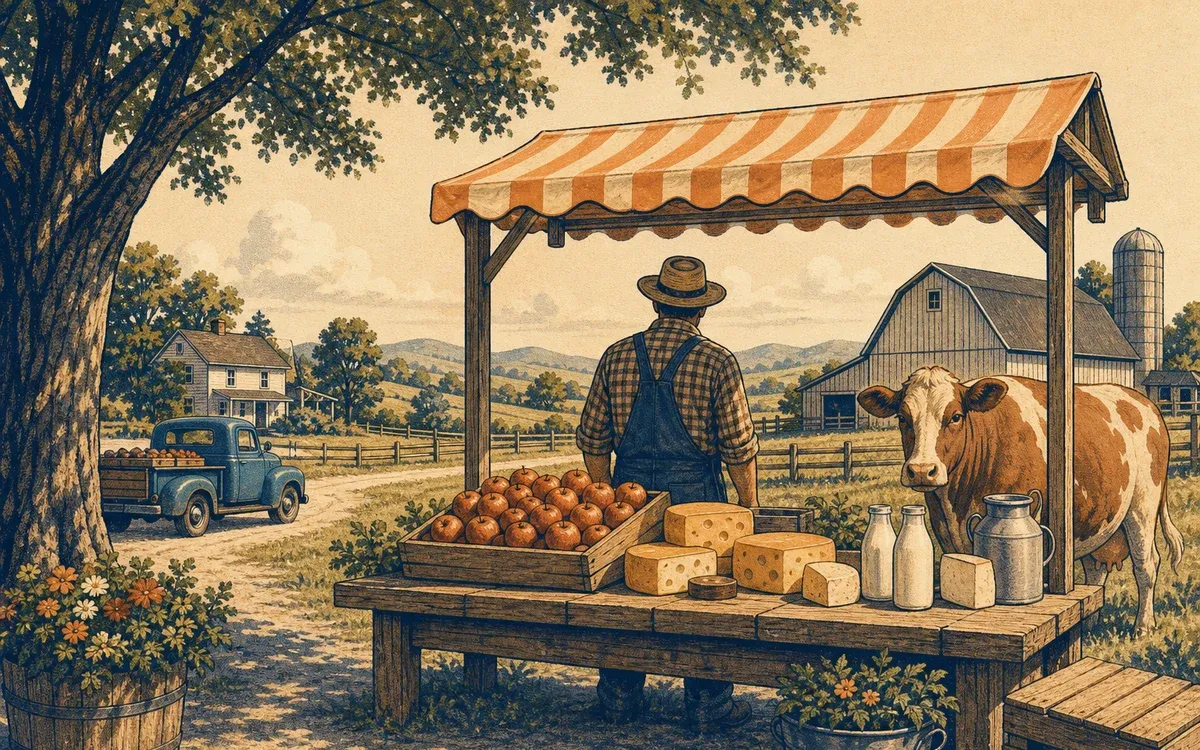
Ein Besuch beim Bauern
A city child visits a Bavarian farm stand for the first time and must overcome her fear of a friendly cow to buy fresh milk.
Open story →
Ein Tag im Schwarzwald
On Saturday, Maria and Jan drive to the Black Forest. They want to go hiking. The air is fresh and the forest is green. They walk on a narrow path between tall trees.
Open story →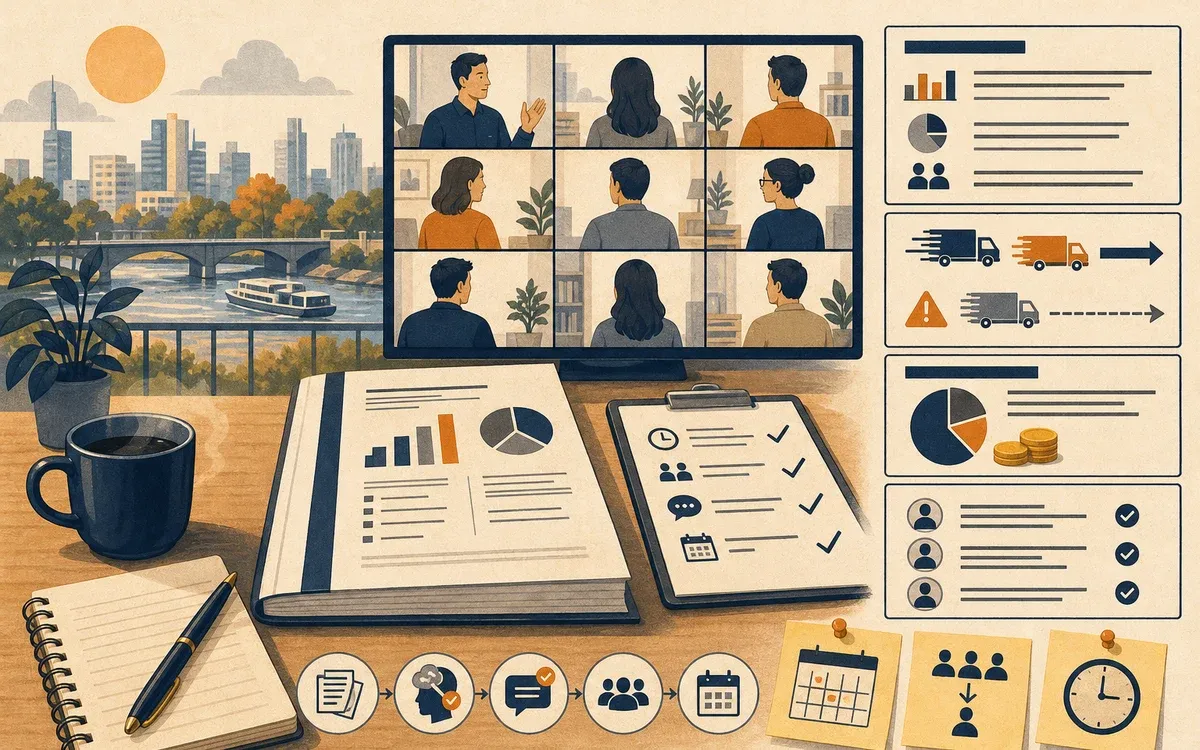
Das Team-Meeting am Montag
Nico shares a five-minute update, dodges jargon overload, and follows up with a concise email that actually matches what was agreed.
Open story →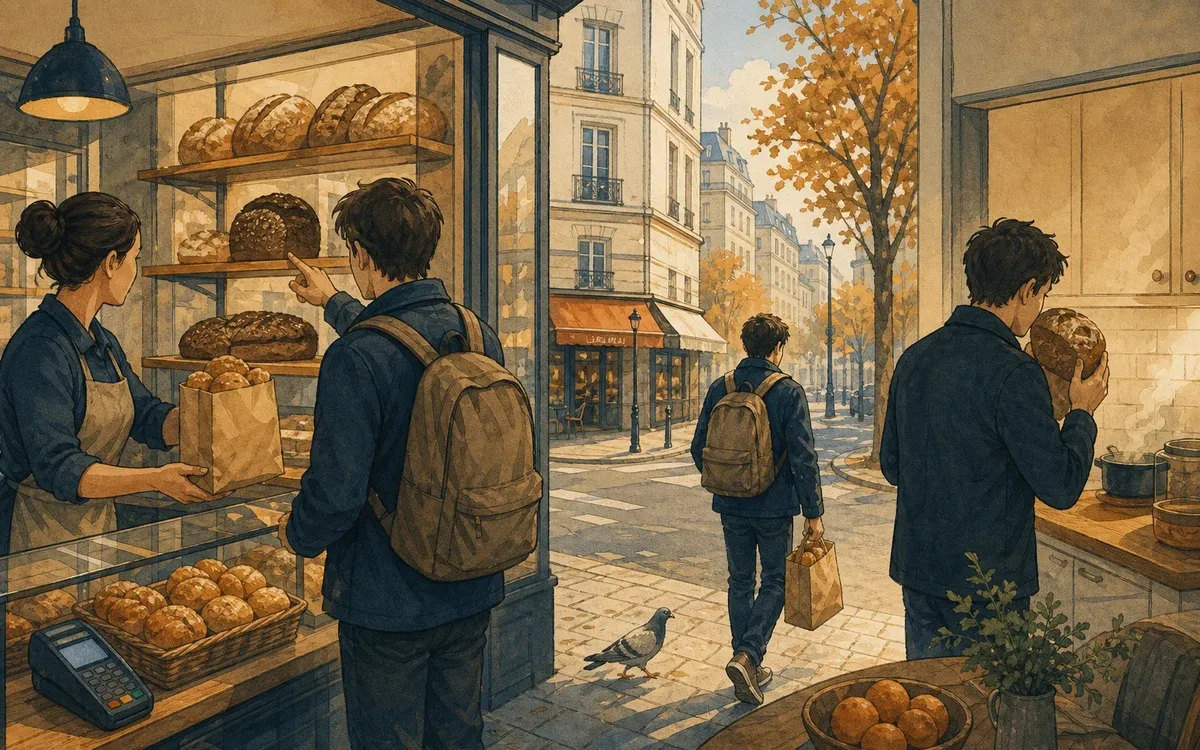
Der Bäcker an der Ecke
Tim steht in der Schlange für warme Brötchen, erkennt ein Roggenbrot am Geruch und verlässt die Bäckerei mit Krümeln auf dem Schal und besserem Deutsch.
Open story →Why stories work for beginner German
German beginners need repeated exposure to word stress, final consonants, umlaut sounds, and the ich/ach contrast. Stories make those sounds meaningful because you hear them attached to people, places, and actions.
The case system also gets easier when articles show up inside sentences you understand. A story lets der, die, das, den, and dem repeat in context instead of sitting alone in a chart.
Method background: story-based language learning research and our editorial policy .
Cases in context
A story shows who acts, who receives, and where things happen. That makes Akkusativ and Dativ easier to notice than isolated grammar drills.
Word order by repetition
Main clauses, questions, and weil-sentences start to feel predictable when you meet them repeatedly inside short scenes.
Compound words feel less random
Words like Handschuhe or Weihnachtsmarkt are easier to decode when the surrounding story already tells you what is happening.
Useful beginner vocabulary
Daily routines, travel, food, work, and family scenes give beginners the words they will actually reuse in listening and speaking.
Beginner reading path
How to use these German stories
1
Read for the scene
Skim the story once for who, where, and what happens. Do not stop for every unknown word on the first pass.
2
Check the translation
Use English support to confirm meaning after you have tried the German text. That keeps the story from becoming a word list.
3
Repeat useful chunks
Pick two or three lines that sound useful, read them aloud, then meet the same patterns again in the next story.
Good first story contexts
A morning at a bakery with simple ordering phrases
A weekend walk in the Schwarzwald
A new roommate moving into an apartment
A Christmas market scene with food and greetings
Related resources
Keep learning German with stories
Learn German with stories
The main German hub explains how MeloLingua turns story input into listening, vocabulary, and speaking practice.
German reading practice
Leveled A1–B2 passages with glosses and translations — shorter drills between narratives.
German texts to read
Short German paragraphs by CEFR level — quick reading between longer stories.
A1 German stories
Start with absolute beginner stories that use short sentences and familiar contexts.
German story guide
Read the blog guide for more beginner story examples and study tips.
Answers
Beginner German Stories — FAQ
Q01What are German stories for beginners?
What are German stories for beginners?
German stories for beginners are graded A1–A2 narratives with simple present tense, familiar settings like bakeries and markets, and controlled vocabulary. MeloLingua pairs each story with English support and glosses so articles and word order land in context — not in isolated charts.
Q02Can beginners read German stories?
Can beginners read German stories?
Yes. Beginners can read German stories when the text is graded at A1-A2 level, uses familiar scenes, and includes translation support. Start with the German text, aim for the main idea, then check the English version and vocabulary list.
Q03What makes a German story beginner-friendly?
What makes a German story beginner-friendly?
A beginner-friendly German story uses short sentences, high-frequency verbs, predictable topics, and limited new grammar. It should still feel like a real scene, because context is what helps vocabulary and case patterns stick.
Q04Should I study German grammar before reading stories?
Should I study German grammar before reading stories?
You do not need to master German grammar before reading. Stories help you notice grammar patterns in action, then formal explanations make more sense because you have already seen the pattern inside a meaningful sentence.
Q05How many German stories should I read per week?
How many German stories should I read per week?
Three to five short stories per week is enough to build momentum if you reread useful lines and review vocabulary. Daily ten-minute sessions work even better because German articles, word order, and sounds repeat before they fade.
Build a daily habit
Keep learning German through beginner stories
Read a graded story for gist first, then carry the same habit into MeloLingua with native audio, tap-to-translate vocabulary, and speaking drills.