25 free stories · A1–B2 · No account needed
German short stories
A small story, a little more German. Read with English translation and vocabulary close at hand.
Read your first story Download the free German A1 PDFbeginner · 6 stories
A1 German short stories — 6 beginner readers
Short, concrete scenes built from familiar words and everyday actions.

Auf dem Weihnachtsmarkt
In December, Lukas visits a magical Christmas market filled.
6 glossed words
Read story →
Das Frühstück
Every morning, Anna wakes up at seven o'clock. She goes to the kitchen and makes coffee.
5 glossed words
Read story →
Der Regentag in Berlin
A rainy day in Berlin forces a tourist to explore a small museum that turns out to be.
3 glossed words
Read story →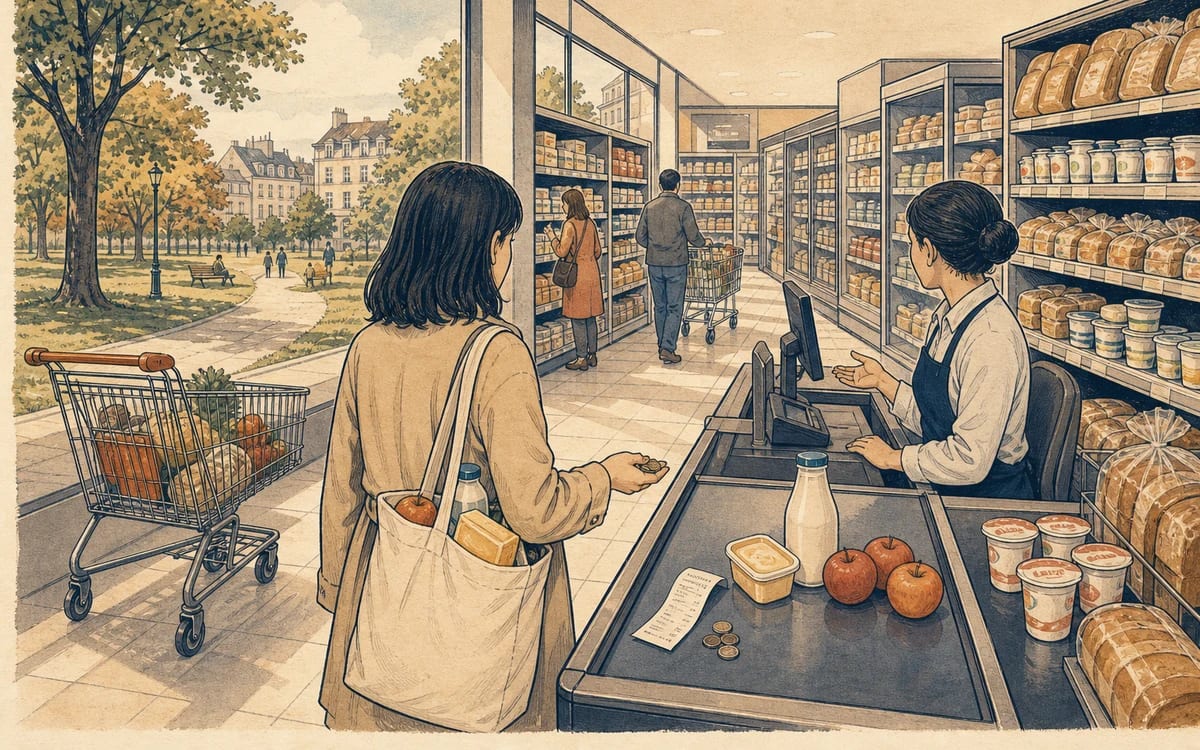
Der Supermarkt am Samstag
Lina navigates Saturday crowds, hunts down milk and apples.
5 glossed words
Read story →
Ein Besuch beim Bauern
A city child visits a Bavarian farm stand for the first time.
4 glossed words
Read story →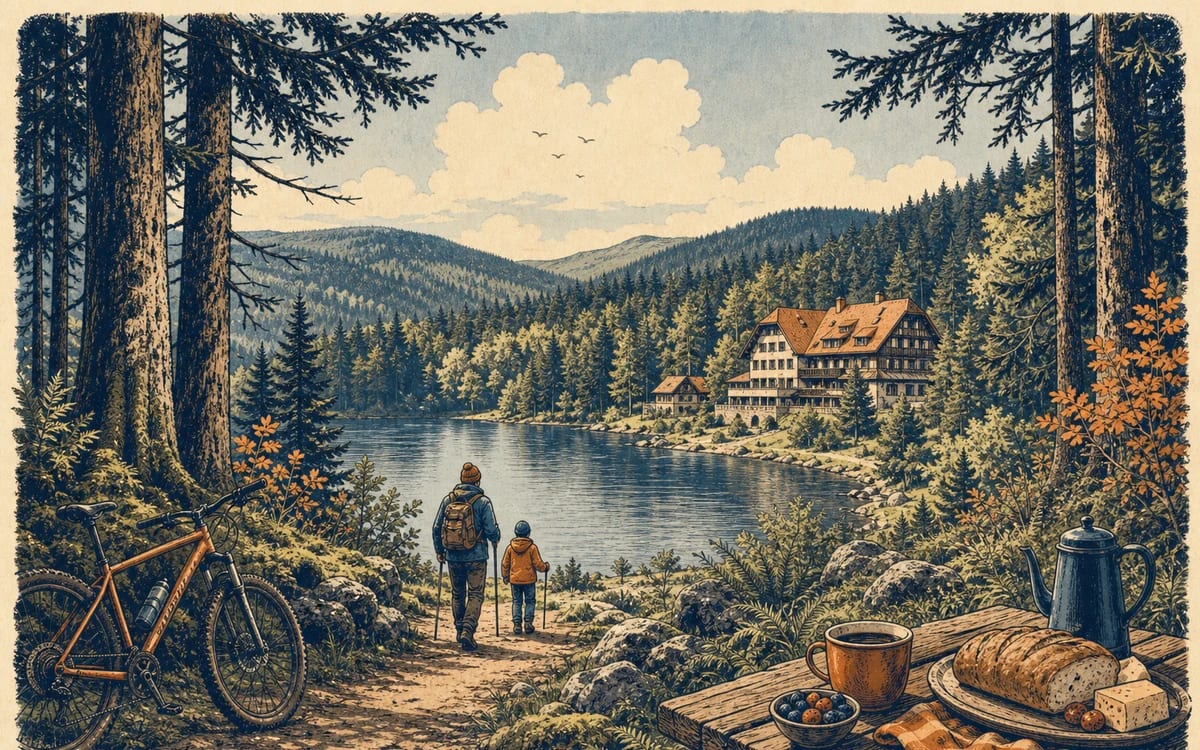
Ein Tag im Schwarzwald
On Saturday, Maria and Jan drive to the Black Forest. They want to go hiking.
6 glossed words
Read story →elementary · 7 stories
A2 German short stories — 7 elementary readers
Connected events with simple reasons, time phrases, and familiar situations.
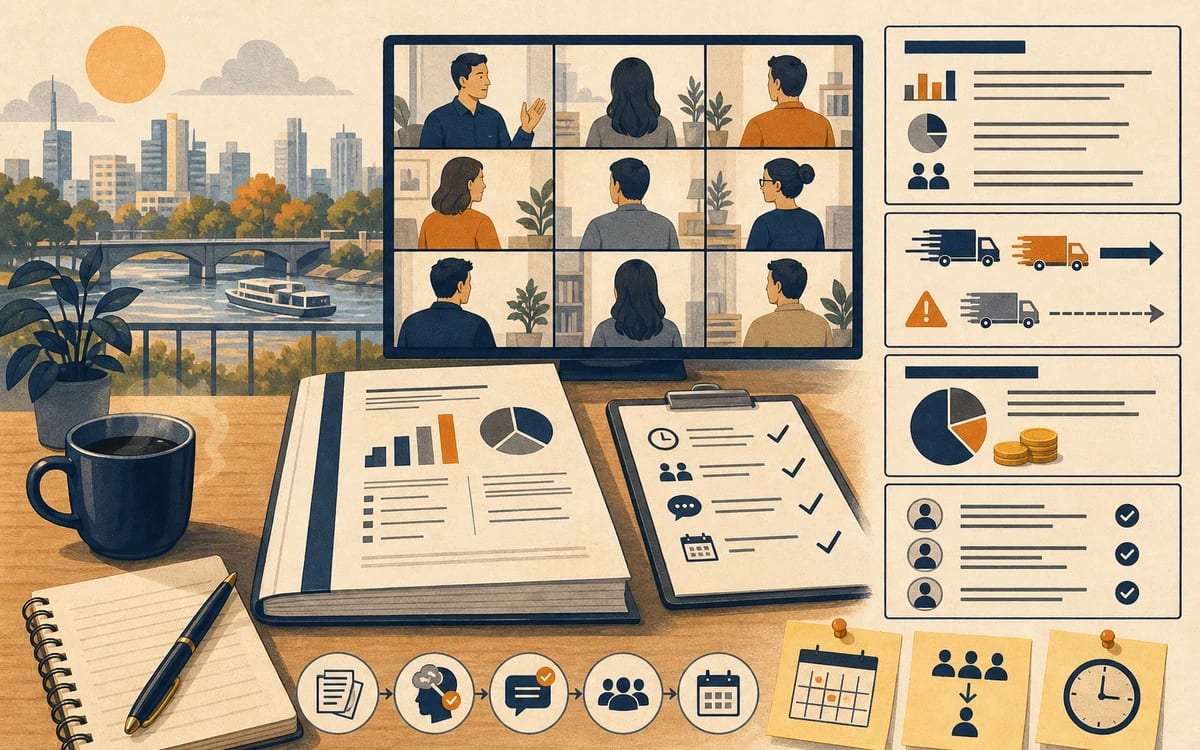
Das Team-Meeting am Montag
Nico shares a five-minute update, dodges jargon overload.
6 glossed words
Read story →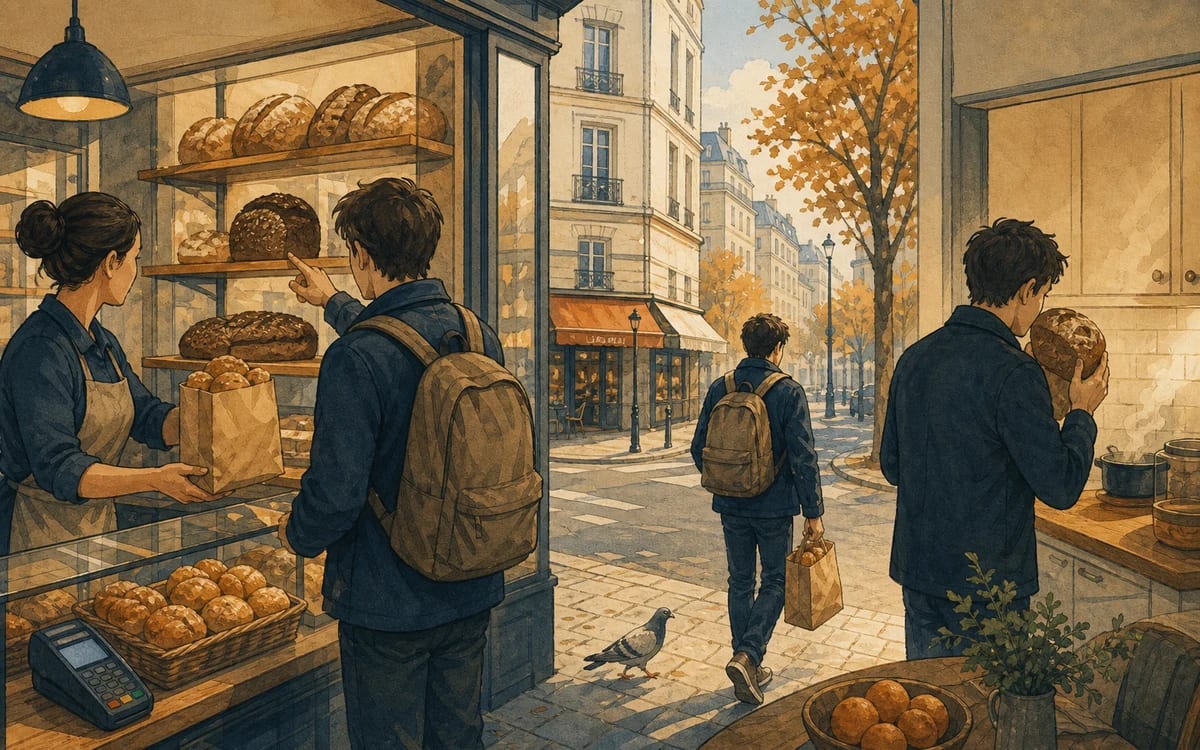
Der Bäcker an der Ecke
Tim steht in der Schlange für warme Brötchen, erkennt ein Roggenbrot am Geruch und verlässt.
6 glossed words
Read story →
Die Neue Kollegin
Mira starts a new job and finds confidence through a small team project.
6 glossed words
Read story →
Ein Wochenende am See
Jonas plans a quiet weekend at the lake and learns that bad weather can still make a good.
6 glossed words
Read story →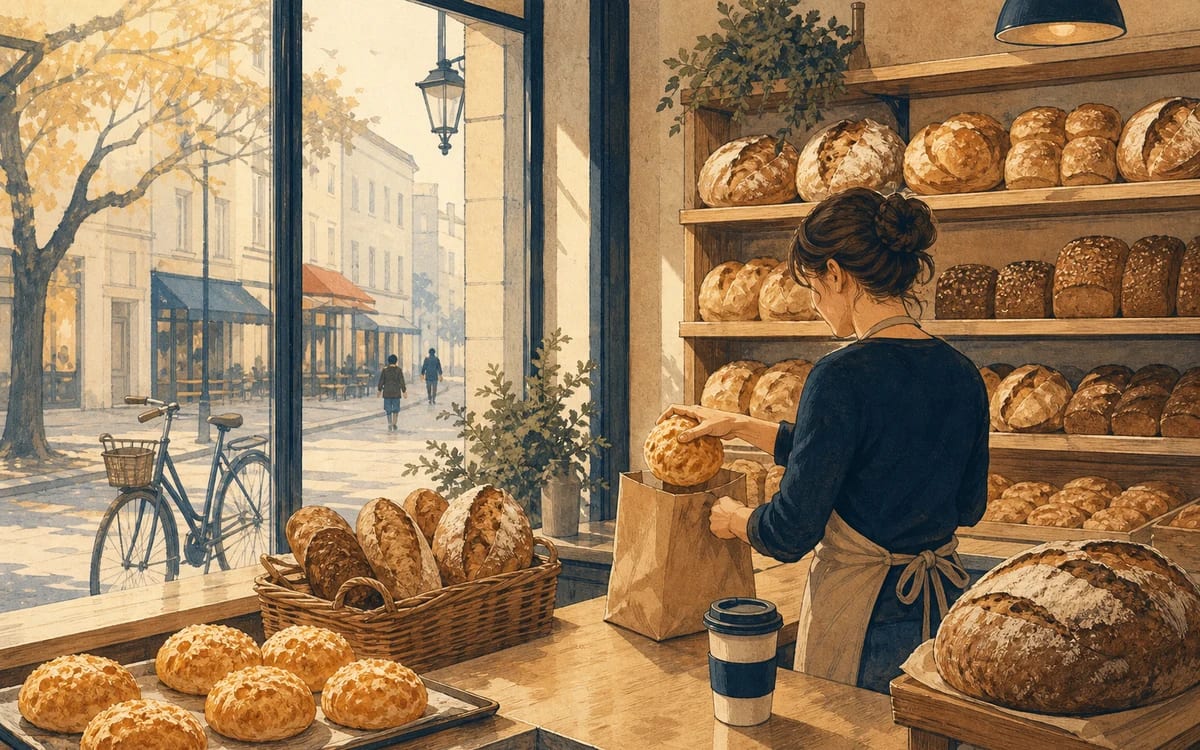
Morgens in der Bäckerei
Jonas genießt den Duft von frischem Brot und Kaffee, während er auf seine Bestellung wartet.
6 glossed words
Read story →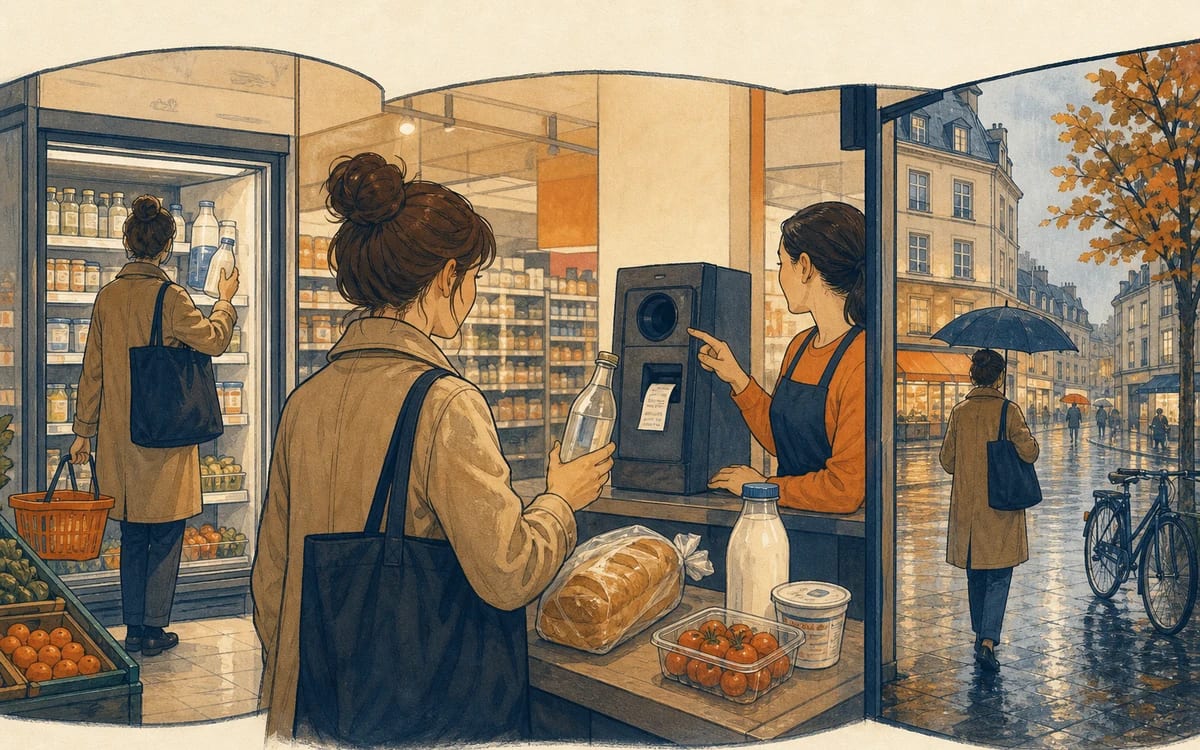
Spät im Supermarkt
Lea kauft nach einem langen Bürotag Milch, Brot und Tomaten.
6 glossed words
Read story →
Zugfahrt nach München
Laura double-checks the platform flip, survives a cheerful snack trolley.
6 glossed words
Read story →intermediate · 6 stories
B1 German short stories — 6 intermediate readers
Longer plots, wider vocabulary, and enough context to infer unfamiliar language.

Der neue Mitbewohner
Today a new roommate moves into the apartment. His name is Tom and he comes from Munich.
6 glossed words
Read story →
Die Wohnungssuche
A young professional finds a promising apartment in Munich.
2 glossed words
Read story →
Ein Besuch im Pergamonmuseum
Felix wanders through the Pergamon Museum, savoring history's whispers.
6 glossed words
Read story →
Im Biergarten
Es ist Freitagabend und Felix trifft seine Freunde im Biergarten.
6 glossed words
Read story →
Lichtinstallation im Museum
Simon taucht in die faszinierende Welt einer Lichtinstallation ein.
6 glossed words
Read story →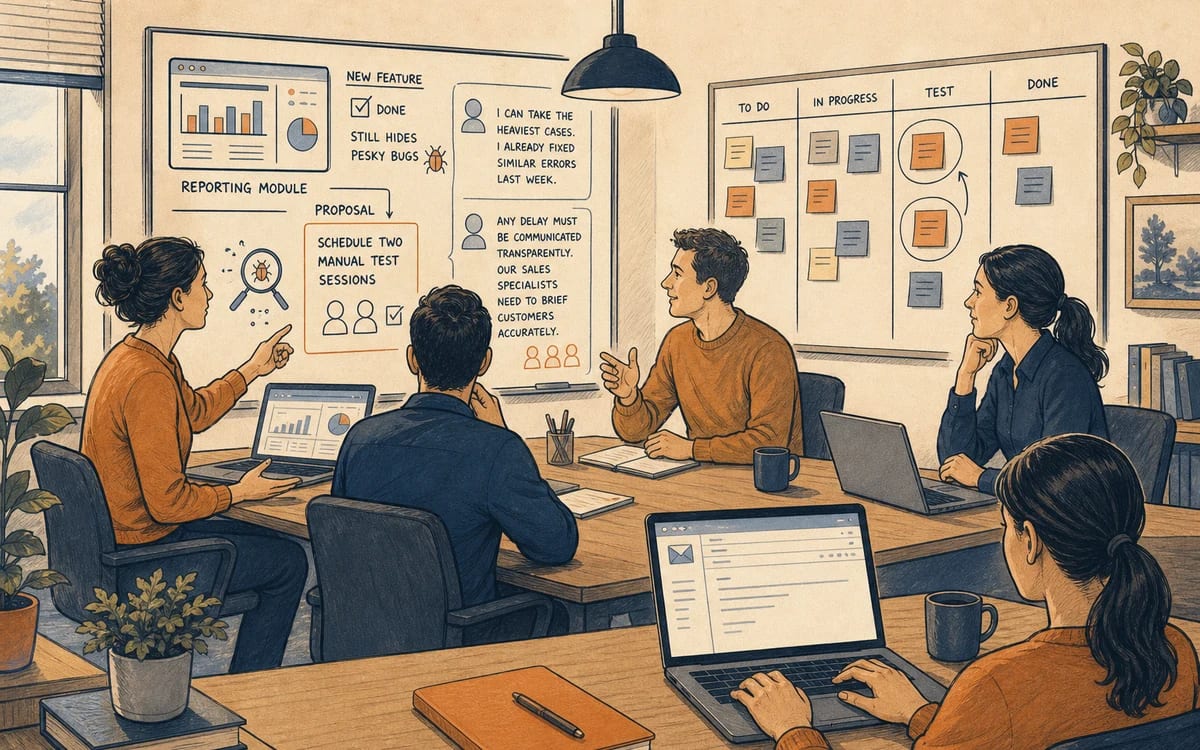
Roadmap im Team-Meeting
Daniela erklärt Reporting-Bugs, plant manuelle Tests und verteilt Aufgaben mit einer knappen.
6 glossed words
Read story →upper-intermediate · 6 stories
B2 German short stories — 6 upper-intermediate readers
Denser narration, nuanced viewpoints, and less predictable sentence patterns.

Das Abendessen mit Freunden
A dinner between old friends turns tense when dietary choices reveal deeper life divides .
4 glossed words
Read story →
Das Dorf im Schwarzwald
A historian discovers that an annual village festival commemorates an event the town would.
4 glossed words
Read story →
Der Kunstmarkt
A young artist's work catches fire on social media.
4 glossed words
Read story →
Der Testtag
A routine product test at a Berlin startup uncovers a flaw that would have caused a major.
4 glossed words
Read story →
Die Fusion
A merger meeting reveals that two departments have fundamentally different visions .
2 glossed words
Read story →
Die Reise nach Hamburg
A missed train connection forces a consultant to navigate Hamburg's hidden corners.
2 glossed words
Read story →Grammar decisions through stories
Choose the right German form inside a real scene
Each guide gives you one decision rule, a narrated micro-story, five explained questions, and a speaking drill. Compare the meanings first, then hear both forms doing different jobs in the same scene.
A1–B1 · narrated story
Der, die or das
Learn every German noun as an article + noun unit; use reliable endings to predict gender, then let case change the article later.
Open the decision labA1–B1 · narrated story
Nicht vs kein
Use kein to negate a noun that would take *ein* or no article; use nicht to negate a verb, adjective, adverb, definite noun, name, or the whole statement.
Open the decision labA2–B1 · narrated story
Wissen vs kennen
Use wissen for facts and clauses; use kennen for people, places, works, and things you recognise or know through experience.
Open the decision labStarting from zero?
Follow the German A1 path, in order
8 units from "Introduce yourself" to "Ask for help", with one outcome per unit and the first 2 episodes free.
Choose by learning goal
MeloLingua vs. free German story sites vs. graded readers
MeloLingua is the strongest fit when short supported stories should lead into repeated listening and speaking. Free story sites suit broad browsing, while traditional graded readers are better for longer offline reading.
Swipe to compare →
| Compare | MeloLingua | Free story sites | Traditional graded readers |
|---|---|---|---|
| Reading support | Inline vocabulary, English translation, and a comprehension check across the web library | Varies by site; translations and exercises may be separate or unavailable | Usually a glossary, notes, or exercises elsewhere in the book |
| Level choice | A1 6 · A2 7 · B1 6 · B2 6 | Often uses broad beginner or intermediate labels | Usually one stated level or range per book |
| After the story | Continue with listening, vocabulary review, and speaking practice in the app | Usually self-directed reading; some sites add quizzes or audio | Often includes end-of-chapter questions or activities |
| Best fit | Short, repeatable story practice that can continue in the app | Browsing free texts from a range of publishers and formats | Longer offline reading in a curated sequence |
| Access | 25 web readers are free; the app adds personalized practice | Usually free, sometimes supported by ads or registration | Buy, borrow, or access through a library or course |
Category comparison based on the typical format of each option; individual sites and books vary.
A language-specific reading cue
Find the German verb before solving every ending
Use the finite verb and clause boundary to establish the event first. At A1–A2, that makes main-clause word order easier to follow; at B1–B2, it gives you a reliable frame for separable verbs, subordinate clauses, and denser noun phrases.
Read the first German storyAnswers
German short stories — FAQ
Q01Are these German short stories free?
Are these German short stories free?
Yes. All 25 German web readers on this page are free to read without an account. The MeloLingua app is a separate experience for personalized stories and continued listening, review, and speaking practice.
Q02Which German story level should I choose?
Which German story level should I choose?
Choose A1 if you need short concrete scenes and frequent support, A2 for connected everyday events, B1 for longer plots with more inference, or B2 for denser language and more nuanced viewpoints.
Q03Do the German stories include English translation?
Do the German stories include English translation?
25 of the 25 readers include English support. Read the German first, then open the translation only when a line blocks your understanding.
Q04How is MeloLingua different from a free story site or graded reader?
How is MeloLingua different from a free story site or graded reader?
This library groups short German stories by CEFR level and keeps vocabulary and translation support close to the text. The app extends the same story-first approach into listening, review, and guided speaking practice.
Learn German through daily stories
MeloLingua turns graded German stories into a daily habit — native audio, tap-to-translate vocabulary, and speaking drills matched to what you read.
More free graded readers
Explore story libraries in five more languages
Keep the same read-for-meaning routine and switch languages. Every library is free to browse, with level guidance and English support.