Spanish Texts by Level
Each Spanish text below is labeled by CEFR level so you can pick the right passage for your current ability. Read the Spanish first, then check the translation and review the vocabulary.
A1
La Casa de Ana
Ana vive en una casa grande con su familia. La casa tiene tres habitaciones, una cocina y un jardín bonito. Su madre cocina todas las mañanas. Su padre trabaja en una oficina cerca de la casa. Ana tiene un hermano pequeño que se llama Luis. Por las tardes, Ana y Luis juegan en el jardín. A Ana le gusta leer libros y Luis prefiere jugar con su perro.
Ana lives in a big house with her family. The house has three bedrooms, a kitchen, and a pretty garden. Her mother cooks every morning. Her father works in an office near the house. Ana has a little brother named Luis. In the afternoons, Ana and Luis play in the garden. Ana likes to read books and Luis prefers to play with his dog.
vive (he/she) lives
habitaciones bedrooms
cerca near
gusta (it) pleases / likes
A1
En el Supermercado
Hoy es sábado y María va al supermercado con su madre. Necesitan comprar comida para la semana. Primero, van a la sección de frutas y verduras. María elige manzanas rojas y plátanos. Después, compran leche, pan y huevos. Su madre también necesita arroz y pollo para la cena. En la caja, María ayuda a poner todo en las bolsas. Al final, su madre paga y regresan a casa contentas.
Today is Saturday and María goes to the supermarket with her mother. They need to buy food for the week. First, they go to the fruits and vegetables section. María chooses red apples and bananas. Then, they buy milk, bread, and eggs. Her mother also needs rice and chicken for dinner. At the checkout, María helps put everything in the bags. Finally, her mother pays and they return home happily.
supermercado supermarket
frutas fruits
huevos eggs
bolsas bags
A2
Un Día de Lluvia
Ayer llovió mucho en la ciudad. Carlos quería ir al parque, pero tuvo que quedarse en casa. Primero, preparó chocolate caliente y se sentó en el sofá. Luego, empezó a leer un libro sobre aventuras en el mar. La lluvia golpeaba las ventanas y el sonido era muy relajante. Por la tarde, su amiga Elena lo llamó por teléfono y hablaron durante una hora. Cuando paró de llover, Carlos salió a caminar. El aire olía a tierra mojada y las calles estaban tranquilas. Fue un día diferente pero agradable.
Yesterday it rained a lot in the city. Carlos wanted to go to the park, but he had to stay home. First, he made hot chocolate and sat on the sofa. Then, he started reading a book about adventures at sea. The rain was hitting the windows and the sound was very relaxing. In the afternoon, his friend Elena called him on the phone and they talked for an hour. When it stopped raining, Carlos went out for a walk. The air smelled of wet earth and the streets were quiet. It was a different but pleasant day.
llovió it rained
empezó (he) started
ventanas windows
paró (it) stopped
tranquilas quiet / calm
B1
El Mercado de San Miguel
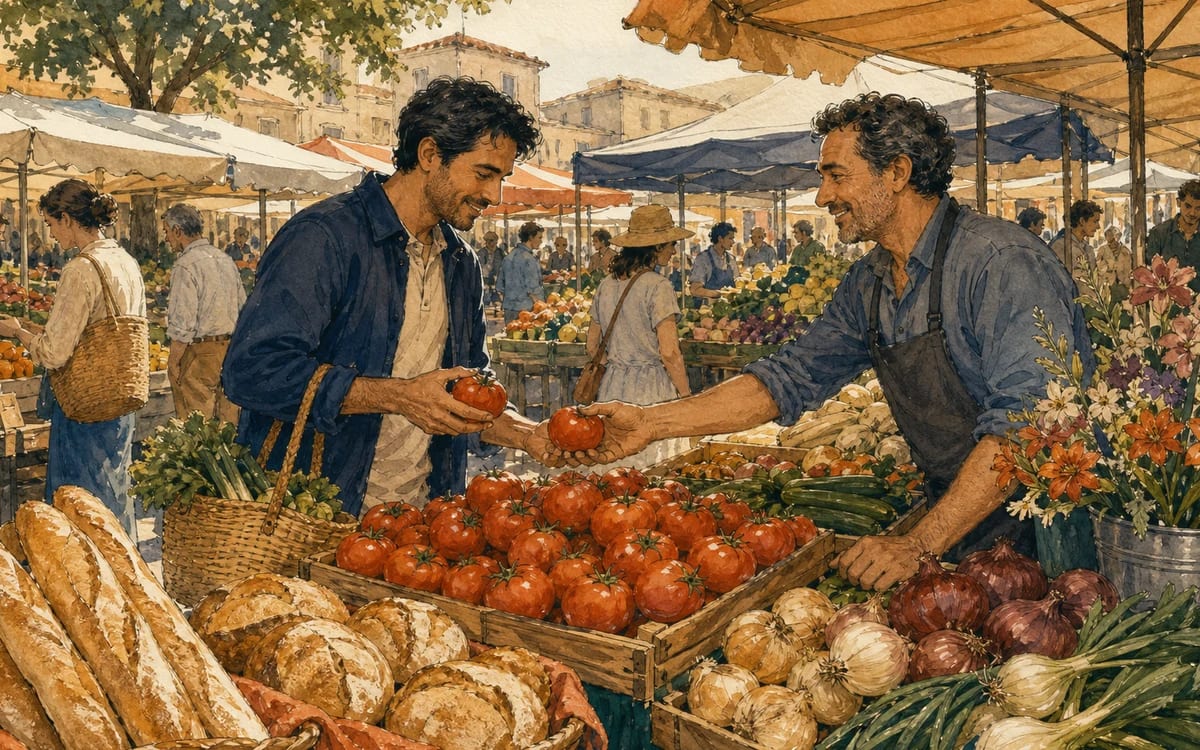
La primera vez que visité el Mercado de San Miguel en Madrid, me sorprendió la cantidad de colores y aromas que llenaban el espacio. Este mercado histórico, construido en mil novecientos dieciséis, se ha convertido en uno de los lugares más visitados de la capital española. Los puestos ofrecen desde jamón ibérico y quesos artesanales hasta mariscos frescos y tapas creativas. Me detuve frente a un puesto de aceitunas donde el vendedor me explicó las diferencias entre cada variedad. Probé unas aceitunas rellenas de anchoa que estaban deliciosas. Lo que más me impresionó fue el ambiente: familias, turistas y madrileños compartiendo mesas pequeñas, riendo y disfrutando de la buena comida. El mercado no es solo un lugar para comer; es una experiencia cultural que refleja la pasión española por la gastronomía.
The first time I visited the Mercado de San Miguel in Madrid, I was surprised by the amount of colors and aromas that filled the space. This historic market, built in nineteen sixteen, has become one of the most visited places in the Spanish capital. The stalls offer everything from Iberian ham and artisanal cheeses to fresh seafood and creative tapas. I stopped in front of an olive stall where the seller explained the differences between each variety. I tried some anchovy-stuffed olives that were delicious. What impressed me most was the atmosphere: families, tourists, and locals from Madrid sharing small tables, laughing, and enjoying good food. The market is not just a place to eat, it is a cultural experience that reflects the Spanish passion for gastronomy.
sorprendió (it) surprised
convertido become / turned into
mariscos seafood
variedad variety
disfrutando enjoying
B2
La Tradición del Flamenco
Es posible que no exista otra forma artística que represente el alma de Andalucía con tanta intensidad como el flamenco. Nacido de la fusión de culturas gitana, árabe, judía y castellana en el sur de España, el flamenco es mucho más que música y baile: es una expresión profunda de emociones humanas que trasciende las barreras del idioma. El cante, con sus quejíos desgarradores, transmite un dolor y una alegría que solo puede entenderse desde las entrañas. La guitarra flamenca, con su técnica de rasgueo y sus falsetas intrincadas, crea un paisaje sonoro que envuelve al oyente. Y el baile, con sus zapateados furiosos y sus movimientos llenos de gracia, cuenta historias que las palabras no podrían narrar. Aunque algunos teman que la comercialización haya diluido su esencia, el flamenco sigue vivo en las peñas y tablaos de Sevilla, Jerez y Granada, donde artistas jóvenes reivindican la tradición mientras la reinventan para las nuevas generaciones.
It is possible that no other art form represents the soul of Andalusia with as much intensity as flamenco. Born from the fusion of Romani, Arab, Jewish, and Castilian cultures in southern Spain, flamenco is much more than music and dance: it is a profound expression of human emotions that transcends language barriers. The singing, with its heart-wrenching wails, conveys a pain and joy that can only be understood from deep within. The flamenco guitar, with its strumming technique and intricate melodic runs, creates a soundscape that envelops the listener. And the dance, with its furious footwork and graceful movements, tells stories that words could not narrate. Although some fear that commercialization has diluted its essence, flamenco remains alive in the clubs and venues of Seville, Jerez, and Granada, where young artists reclaim the tradition while reinventing it for new generations.
represente represents (subjunctive)
profunda deep / profound
quejios wails / laments
intrincadas intricate
diluido diluted
reivindican (they) reclaim
A2
La Playa en Verano
El verano pasado, mi familia y yo fuimos a la playa durante una semana. Llegamos temprano por la mañana y la arena todavía estaba fresca. Mis hijos corrieron hacia el agua inmediatamente. Las olas eran pequeñas y perfectas para nadar con los niños. Mi esposa puso la sombrilla grande y preparó las toallas. Los niños construyeron un castillo de arena enorme con una torre y un puente. A mediodía, comimos bocadillos y fruta sentados junto al mar. El sonido de las olas y el olor del agua salada hacían que todo fuera muy relajante. Por la tarde, caminamos por la orilla y recogimos conchas bonitas. Fue un día perfecto que todos queremos repetir.
Last summer, my family and I went to the beach for a week. We arrived early in the morning and the sand was still cool. My children ran toward the water immediately. The waves were small and perfect for swimming with the kids. My wife set up the big umbrella and prepared the towels. The children built an enormous sandcastle with a tower and a bridge. At midday, we ate sandwiches and fruit sitting by the sea. The sound of the waves and the smell of the saltwater made everything very relaxing. In the afternoon, we walked along the shore and collected pretty shells. It was a perfect day that we all want to repeat.
playa beach
arena sand
olas waves
nadar to swim
sombrilla umbrella (beach)
B1
Un Café con Historia
En el corazón de Buenos Aires existe un café que parece haberse detenido en el tiempo. Fundado en mil novecientos cincuenta y ocho, el Café de los Poetas fue durante décadas el lugar favorito de escritores, periodistas y artistas que buscaban inspiración entre sus paredes oscuras y sus mesas de madera gastada. En aquella época, las tertulias literarias duraban hasta la madrugada. Hoy, el café conserva las fotografías en blanco y negro de quienes pasaron por su rincón más famoso, la mesa junto a la ventana donde un joven Cortázar escribió sus primeros cuentos. El aroma del café recién hecho se mezcla con algo difícil de describir: una atmósfera nostálgica que invita a sentarse, pedir un cortado y simplemente observar cómo Buenos Aires pasa al otro lado del cristal. Es un lugar que no necesita modernizarse porque su encanto está precisamente en lo que nunca cambió.
In the heart of Buenos Aires there is a cafe that seems to have stopped in time. Founded in nineteen fifty-eight, the Café de los Poetas was for decades the favorite place of writers, journalists, and artists who sought inspiration among its dark walls and worn wooden tables. In that era, literary gatherings lasted until the early hours. Today, the cafe preserves the black-and-white photographs of those who passed through its most famous corner, the table by the window where a young Cortázar wrote his first short stories. The aroma of freshly brewed coffee mixes with something hard to describe: a nostalgic atmosphere that invites you to sit down, order a cortado, and simply watch Buenos Aires pass by on the other side of the glass. It is a place that does not need to modernize because its charm lies precisely in what never changed.
café cafe / coffee
escritor writer
época era / period
rincón corner / nook
tertulias literary gatherings
nostálgica nostalgic
B2
El Futuro de la Agricultura
En las últimas décadas, la agricultura española ha experimentado una transformación silenciosa pero profunda. Una nueva generación de jóvenes agricultores está regresando al campo con la convicción de que es posible obtener una buena cosecha sin agotar la tierra. Frente al modelo industrial que prioriza el rendimiento inmediato, estos productores apuestan por prácticas sostenibles que sus abuelos ya conocían: la rotación de cultivos, el uso de semillas autóctonas y sistemas de riego eficientes que aprovechan cada gota de agua. Es probable que esta tendencia no solo mejore la calidad de los alimentos, sino que también revitalice pueblos que estaban al borde del abandono. Aunque algunos expertos duden de que el modelo artesanal pueda competir con las grandes explotaciones, los datos sugieren que los consumidores están dispuestos a pagar más por productos que respeten el medio ambiente. Lo que antes se consideraba un paso atrás hoy se percibe como la única vía hacia un futuro agrícola viable en el que la tierra siga siendo fértil para las próximas generaciones.
In recent decades, Spanish agriculture has undergone a quiet but profound transformation. A new generation of young farmers is returning to the countryside with the conviction that it is possible to obtain a good harvest without exhausting the land. Against the industrial model that prioritizes immediate yield, these producers are betting on sustainable practices their grandparents already knew: crop rotation, the use of native seeds, and efficient irrigation systems that make the most of every drop of water. It is likely that this trend will not only improve food quality but also revitalize villages that were on the brink of abandonment. Although some experts doubt that the artisanal model can compete with large-scale operations, the data suggest that consumers are willing to pay more for products that respect the environment. What was once considered a step backward is now perceived as the only path toward a viable agricultural future in which the land remains fertile for the next generations.
cosecha harvest
sostenible sustainable
cultivo crop / cultivation
semillas seeds
riego irrigation
rendimiento yield / performance