El puente de septiembre
They had planned the September long weekend in Cádiz since the summer began, with the idea of lying in the sun and swimming all weekend.
What you'll learn
- Bilingual graded story
- Native narration
- 5 useful words
- 5 comprehension questions
Then shadow
Borrow the narrator’s rhythm
Pause after this line and repeat it aloud without translating. Aim for three clean repetitions.
1Listen first
Hear the whole story
Native Spanish narration of this exact text. Keep the transcript visible on the first pass.
Playback speed: Natural
2Then shadow
Habían planeado el puente de septiembre en Cádiz desde que empezó el verano, con la idea de tumbarse al sol y nadar todo el fin de semana.Warm-up vocabulary
Preview 2 optional words before reading
Your Spanish story
Read along with the narration, and tap any highlighted word for its meaning
Habían planeado el en Cádiz desde que empezó el verano, con la idea de tumbarse al sol y nadar todo el fin de semana.
They had planned the September long weekend in Cádiz since the summer began, with the idea of lying in the sun and swimming all weekend.
Llegaron al el viernes por la tarde y la , una mujer de unos sesenta años, les dio las llaves con una sonrisa y les deseó buen fin de semana.
They arrived at the hostel on Friday afternoon and the owner, a woman about sixty, gave them the keys with a smile and wished them a good weekend.
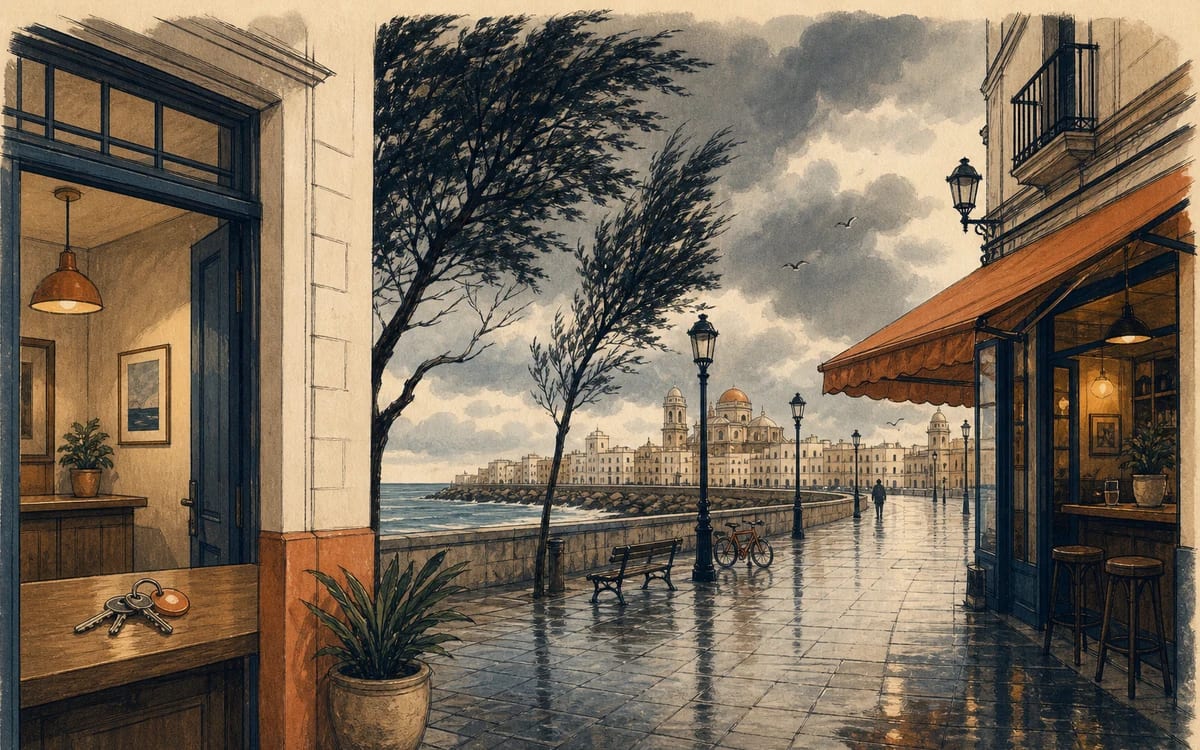
El sábado nublado y el viento soplaba con fuerza. «Esto », dijo Marcos mientras miraba el cielo.
Saturday dawned cloudy and the wind was blowing hard. 'This doesn't look good,' said Marcos while looking at the sky.
A media mañana empezó a llover y tuvieron que en un bar cerca del .
Mid-morning it started to rain and they had to take shelter in a bar near the promenade.
Allí, un anciano del pueblo les oyó hablar de la playa y les dijo: «Si queréis ver algo bonito de verdad, id a la de los Pájaros. Está , pero merece la pena».
There, an elderly local man heard them talking about the beach and told them: 'If you want to see something truly beautiful, go to the Birds' Cove. It's hidden, but it's worth it.'
Marcos y Carla se miraron. No tenían y la lluvia no parecía que fuera a parar. «Podríamos probar», dijo Carla .
Marcos and Carla looked at each other. They didn't have a Plan B and the rain didn't seem like it was going to stop. 'We could try,' said Carla shrugging.
Volvieron al hostal a preguntarle a la dueña cómo llegar. Ella sonrió y un mapa en una servilleta.
They went back to the hostel to ask the owner how to get there. She smiled and drew a map on a napkin.
El sendero era estrecho y por la lluvia. A veces tenían que a las rocas para no caerse, pero el paisaje era impresionante.
The trail was narrow and slippery from the rain. Sometimes they had to hold onto the rocks to keep from falling, but the landscape was stunning.
Cuando llegaron a la cala, dejó de llover y el sol entre las nubes. El agua era turquesa y las rocas formaban una .
When they reached the cove, it stopped raining and the sun broke through the clouds. The water was turquoise and the rocks formed a natural pool.
« que no nos quedamos en la playa», dijo Marcos. Carla asintió. A veces un plan frustrado es el mejor plan de todos.
'Good thing we didn't stay at the beach,' said Marcos. Carla nodded. Sometimes a failed plan is the best plan of all.
Vocabulary recap
Reading Comprehension Exercise
B1 Spanish Reading Comprehension Exercises
1. What had Marcos and Carla planned for the September long weekend?
Correct: Go to the beach to sunbathe and swim
They had planned to lie in the sun and swim all weekend.
2. Why do they change their plans?
Correct: Because it started raining and the wind was blowing hard
Saturday dawned cloudy, the wind was blowing hard, and it started raining.
3. Who recommends the Pájaros cove to them?
Correct: An elderly man from the village in a bar
An elderly man from the village overheard them talking in a bar and recommended the cove.
4. How is the path to the cove described?
Correct: Narrow and slippery from the rain
The trail was narrow and slippery from the rain.
5. What do Marcos and Carla think about the change of plans at the end?
Correct: That a frustrated plan is sometimes the best plan
Marcos says "Thank goodness we didn't stay at the beach" and the narrator concludes that a frustrated plan is sometimes the best plan.
Nailed the quiz? Start your own story in MeloLingua →
Line 1 / 10
0:00/–:––
Mini-lesson complete
You understood 5 of 5 questions.
That is 250 real Spanish words read in context.
- ✓ 250 words read
- 5 new expressions
- 3 grammar patterns
- B1 level unlocked
- ○ Narration ready
- 0 shadowing reps
Ready for tomorrow’s story?Hear it, shadow the narrator, and lock these words into memory in MeloLingua.
Start learning with storiesOne story. The whole practice loop.
Reading this story for free is just the first rep. The MeloLingua app turns the same story into a full practice loop — understand every word, speak it back, build sentences, and keep stories coming that match what you actually care about.
| What you get | FreeThis story | Full loopMeloLingua app |
|---|---|---|
| Understand every sentence instantly | Bilingual reader, tap to translate | Interactive reader with word-by-word explanations |
| Know exactly why each word works | Basic translation in context | Translation, grammar, conjugation & usage examples |
| Train your ear with native audio | Studio narration — slow, normal, fast | Listen, follow along, and shadow the narrator |
| Speak like a native while reading | Read aloud on your own | Real-time pronunciation feedback |
| Turn what you read into what you can say | Not included | Build sentences from the story you just read |
| Never forget today's vocabulary | In-story glossary + comprehension quiz | Flashcards & spaced review from story lines |
| Read stories about your real life | Not included | Stories matched to your level and interests |
| Feel yourself improve every day | Not included | Streaks, goals, and your full learning history |
| Result | Enjoy a great story | Actually speak with confidence |
Understand every sentence instantly
Know exactly why each word works
Train your ear with native audio
Speak like a native while reading
Turn what you read into what you can say
Never forget today's vocabulary
Read stories about your real life
Feel yourself improve every day
Result
Make stories aboutyour life
Most language apps hand everyone the same content. MeloLingua lets you create stories around the things you actually enjoy — so staying consistent stops feeling like homework.
- “I love space and cooking”Your story
A chef opens the first restaurant on Mars.
- “I like football and history”Your story
A young striker time-travels to play the legendary teams.
- “I enjoy surfing and travel”Your story
A surfer hunts secret waves across the world.
- “I like Brazilian Jiu-Jitsu and sci-fi”Your story
An astronaut enters the first intergalactic grappling tournament.
Read it. Listen to it. Speak it back. The more it sounds likeyour world, the easier it is to keep going.
Generate your first storyMake it yours
Your next Spanish story is one tap away
Turn today's read into a daily habit — personalized scenes, native audio, tap-to-translate vocabulary, and speaking drills matched to what you just understood.
Keep reading on-site

La bandeja equivocada
At a Granada bakery-café, Lucía’s pastry order disappears just before an important studio meeting.
Read story →
La carta de reclamación
Sofia must draft a formal complaint letter for a dissatisfied client but struggles to balance firmness and politeness in a Valencia office.
Read story →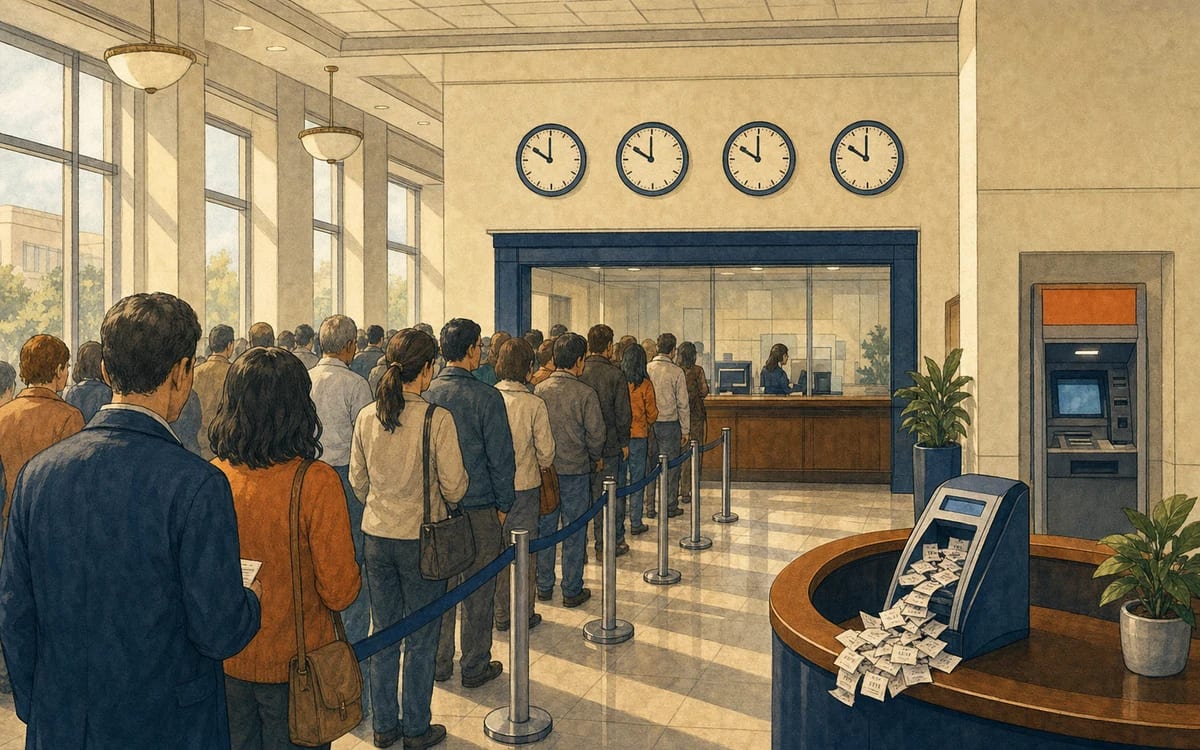
La cola en el banco
Ana joins a long bank queue in Madrid and overhears a conversation that changes her rushed morning into something unexpected.
Read story →