El mercado de artesanos
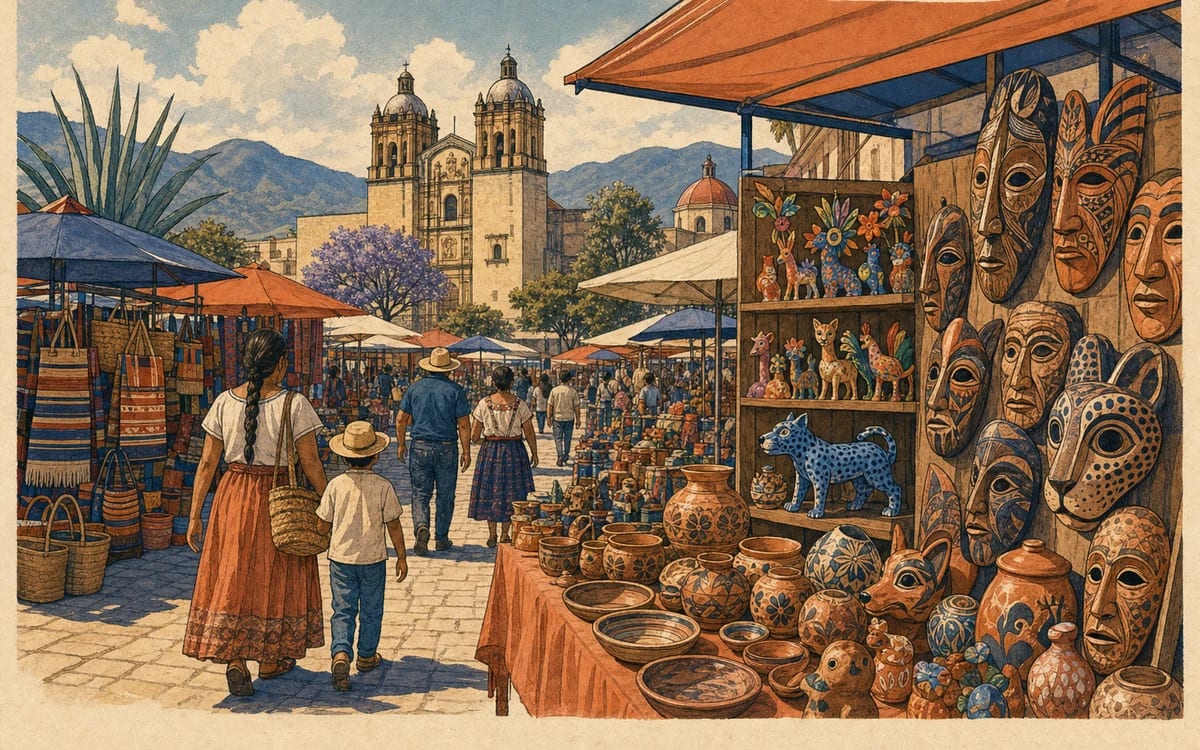
The Oaxaca artisan market buzzes on Saturday mornings. Clara, an English tourist, was walking through the stalls with Pablo, a local guide who knew every corner of the market.
What you'll learn
- Bilingual graded story
- English translation
- 6 useful words
- 5 comprehension questions
Warm-up vocabulary
Preview 3 optional words before reading
Your Spanish story
Tap highlighted words when you need help
El mercado de artesanos de Oaxaca los sábados por la mañana. Clara, una turista inglesa, recorría los puestos con Pablo, un guía local que conocía cada rincón del mercado.
The Oaxaca artisan market buzzes on Saturday mornings. Clara, an English tourist, was walking through the stalls with Pablo, a local guide who knew every corner of the market.
Pablo señalaba los , las máscaras de madera y las piezas de barro mientras explicaba el origen de cada pieza con una seguridad que Clara admiraba.
Pablo pointed out the textiles, the wooden masks, and the clay pieces while explaining the origin of each piece with a confidence that Clara admired.
En un puesto del fondo, un artesano ordenaba piezas de barro pintadas a mano con formas de animales y flores. Clara se detuvo frente a una figura pequeña: un jaguar con manchas azules.
At a stall at the back, a Zapotec artisan was arranging hand-painted clay pieces shaped like animals and flowers. Clara stopped in front of a small figure: a jaguar with blue spots.
—¿Cuánto cuesta? —preguntó Clara en su español . El artesano sonrió y dijo un precio. Pablo : «Dice que trescientos pesos. Un poco caro, pero es auténtico».
'How much does it cost?' Clara asked in her halting Spanish. The artisan smiled and said a price. Pablo interjected: 'He says three hundred pesos. A bit expensive, but it's authentic.'
Clara no sabía si era caro o barato. Le gustaba la figura, pero algo en la mirada del artesano la hizo sentir que aquella pieza no era un simple .
Clara didn't know if it was expensive or cheap. She liked the figure, but something in the artisan's gaze made her feel that this piece wasn't a simple travel souvenir.
El artesano empezó a hablar en español, pero a media frase cambió a su lengua materna y dijo algo que Clara no entendió. Pablo y no tradujo.
The artisan started speaking in Spanish, but mid-sentence he switched to his mother tongue and said something Clara didn't understand. Pablo frowned and didn't translate.
—¿Qué ha dicho? —preguntó Clara. Pablo dudó. «No es importante. Cosas del taller. ¿Quieres o lo pagas?»
'What did he say?' Clara asked. Pablo hesitated. 'It's not important. Workshop things. Do you want to haggle or pay the price?'
Clara que Pablo evitaba algo. Pagó los trescientos pesos, pero en lugar de irse, se quedó mirando la pieza. «¿Por qué hizo ese jaguar?», preguntó directamente al artesano.
Clara sensed that Pablo was avoiding something. She paid the three hundred pesos, but instead of leaving, she stayed looking at the piece. 'Why did you make this jaguar?' she asked the artisan directly.
El artesano la miró a los ojos. Entonces, con gestos y palabras sueltas, le contó una historia que Clara entendió a medias: el jaguar era el guardián de un que su abuelo había protegido hasta que llegaron las carreteras.
The artisan looked her in the eyes. Then, with gestures and scattered words, he told her a story that Clara half-understood: the jaguar was the guardian of a spring that his grandfather had protected until the roads came.
Pablo escuchó en silencio. Cuando el artesano terminó, Pablo dijo: «Dice que el jaguar se quedó . Que la figura guarda la memoria del lugar donde él creció. No quise traducirlo porque no sabía si ».
Pablo listened in silence. When the artisan finished, Pablo said: 'He says the jaguar was left without water. That the figure holds the memory of the place where he grew up. I didn't want to translate it because I didn't know if it was a big deal.'
Clara guardó la pieza con más cuidado que si fuera de cristal. No era un jaguar decorativo: era un , la memoria de un lugar que ya no existía.
Clara put the piece away more carefully than if it were made of glass. It wasn't a decorative jaguar: it was a clay testimony, the memory of a place that no longer existed.
Al salir del mercado, Clara dijo: «¿Sabes? Prefiero no haber entendido la traducción completa. Algunas historias se sienten mejor ».
Upon leaving the market, Clara said: 'You know? I prefer not having understood the full translation. Some stories feel better without exact words.'
Vocabulary recap
Reading Comprehension Exercise
B2 Spanish Reading Comprehension Exercises
1. What does Clara notice about the artisan when she asks about the jaguar piece?
Correct: His gaze suggests the piece is more than a souvenir
Clara senses 'algo en la mirada del artesano la hizo sentir que aquella pieza no era un simple recuerdo de viaje' — there is implicit meaning the piece carries.
2. Why doesn't Pablo translate what the artisan says in his mother tongue?
Correct: He didn't know if it was important enough to translate
Pablo admits 'no quise traducirlo porque no sabía si era para tanto' — he didn't judge the story as worth translating, revealing a cultural filter.
3. What story does the jaguar figure represent?
Correct: The guardian of a spring that disappeared when roads were built
The jaguar was 'el guardián de un manantial que su abuelo había protegido hasta que llegaron las carreteras' — a symbol of environmental loss.
4. What does Clara conclude about the experience at the end?
Correct: She prefers not having understood the full translation, as some stories feel better without exact words
Clara says 'Prefiero no haber entendido la traducción completa. Algunas historias se sienten mejor sin palabras exactas' — embracing the ambiguity.
5. Which grammatical feature of the phrase 'guardaba la memoria del lugar donde él creció' makes it higher-level Spanish?
Correct: The imperfect 'guardaba' for a state that persists and 'donde' with preterite 'creció'
The imperfect 'guardaba' describes an ongoing quality (the figure holds memory), while 'donde él creció' uses preterite for a completed past action — a B2-level tense contrast.
Nailed the quiz? Start your own story in MeloLingua →
Mini-lesson complete
You understood 5 of 5 questions.
That is 358 real Spanish words read in context.
- ✓ 358 words read
- 6 new expressions
- 4 grammar patterns
- B2 level unlocked
Ready for tomorrow’s story?Hear it, shadow the narrator, and lock these words into memory in MeloLingua.
Start learning with storiesOne story. The whole practice loop.
Reading this story for free is just the first rep. The MeloLingua app turns the same story into a full practice loop — understand every word, speak it back, build sentences, and keep stories coming that match what you actually care about.
| What you get | FreeThis story | Full loopMeloLingua app |
|---|---|---|
| Understand every sentence instantly | Bilingual reader, tap to translate | Interactive reader with word-by-word explanations |
| Know exactly why each word works | Basic translation in context | Translation, grammar, conjugation & usage examples |
| Train your ear with native audio | Not included | Listen, follow along, and shadow the narrator |
| Speak like a native while reading | Read aloud on your own | Real-time pronunciation feedback |
| Turn what you read into what you can say | Not included | Build sentences from the story you just read |
| Never forget today's vocabulary | In-story glossary + comprehension quiz | Flashcards & spaced review from story lines |
| Read stories about your real life | Not included | Stories matched to your level and interests |
| Feel yourself improve every day | Not included | Streaks, goals, and your full learning history |
| Result | Enjoy a great story | Actually speak with confidence |
Understand every sentence instantly
Know exactly why each word works
Train your ear with native audio
Speak like a native while reading
Turn what you read into what you can say
Never forget today's vocabulary
Read stories about your real life
Feel yourself improve every day
Result
Make stories aboutyour life
Most language apps hand everyone the same content. MeloLingua lets you create stories around the things you actually enjoy — so staying consistent stops feeling like homework.
- “I love space and cooking”Your story
A chef opens the first restaurant on Mars.
- “I like football and history”Your story
A young striker time-travels to play the legendary teams.
- “I enjoy surfing and travel”Your story
A surfer hunts secret waves across the world.
- “I like Brazilian Jiu-Jitsu and sci-fi”Your story
An astronaut enters the first intergalactic grappling tournament.
Read it. Listen to it. Speak it back. The more it sounds likeyour world, the easier it is to keep going.
Generate your first storyMake it yours
Your next Spanish story is one tap away
Turn today's read into a daily habit — personalized scenes, native audio, tap-to-translate vocabulary, and speaking drills matched to what you just understood.
Keep reading on-site
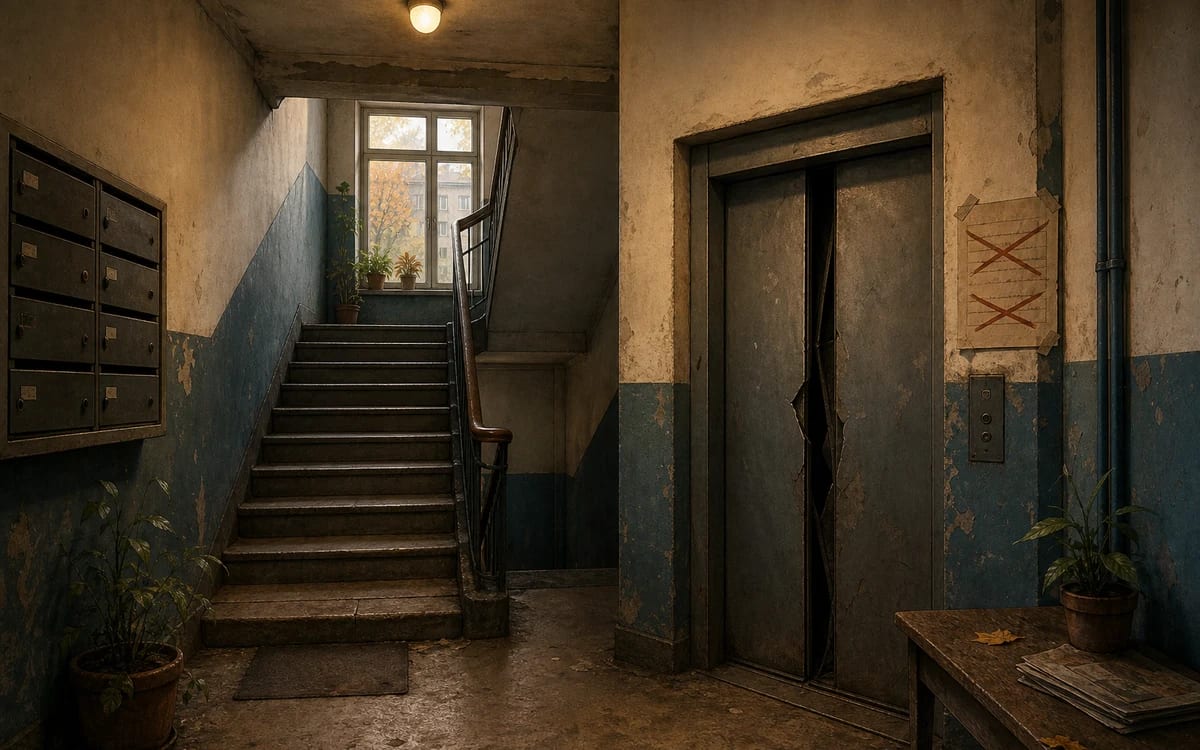
El ascensor que no llega
A broken elevator in a Buenos Aires apartment building forces two neighbors from different generations into an unexpected conversation that changes their view of each other.
Read story →
El juicio
A minor property dispute in a small-town courtroom reveals a decades-old neighborhood secret during cross-examination that no one expected.
Read story →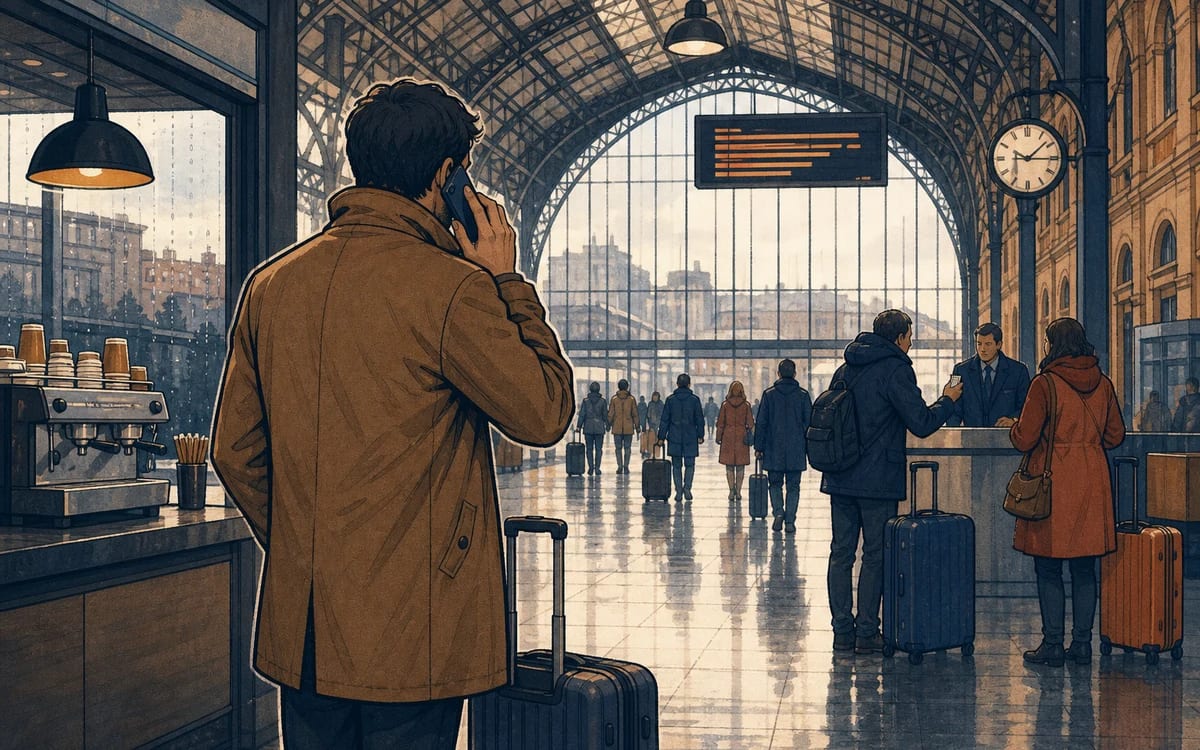
El vuelo reprogramado
After his flight is cancelled at the airport, Pablo goes to Atocha to book a train and bus route to Lisbon.
Read story →