Un week-end à Lyon
Emma arrived in Lyon on a Saturday morning with a small bag and a lot of curiosity.

What you'll learn
- Bilingual graded story
- Native narration
- 9 useful words
- 5 comprehension questions
Then shadow
Borrow the narrator’s rhythm
Pause after this line and repeat it aloud without translating. Aim for three clean repetitions.
1Listen first
Hear the whole story
Native French narration of this exact text. Keep the transcript visible on the first pass.
Playback speed: Natural
2Then shadow
Emma est arrivée à Lyon un samedi matin avec un petit sac et beaucoup de curiosité.Warm-up vocabulary
Preview 3 optional words before reading
Your French story
Read along with the narration, and tap any highlighted word for its meaning
Emma est arrivée à Lyon un samedi matin avec un petit sac et beaucoup de .
Emma arrived in Lyon on a Saturday morning with a small bag and a lot of curiosity.
Elle voulait explorer la vieille ville, savourer un repas dans un bouchon et flâner le long de la Saône.
She wanted to explore the old city, enjoy a meal in a traditional Lyon restaurant, and stroll along the Saône.
Après avoir déposé son sac à l'hôtel, elle a cherché une boulangerie pour acheter une brioche aux pralines roses.
After leaving her bag at the hotel, she looked for a bakery to buy a pink-praline brioche.
Dans la rue, elle a pris le et loin du centre.
On the street, she took the wrong bus and ended up far from the center.
Au lieu de paniquer, elle a demandé de l'aide à une femme à .
Instead of panicking, she asked a woman at the stop for help.
La femme lui a expliqué le chemin avec beaucoup de patience. Finalement, Emma est arrivée dans le juste avant midi.
The woman explained the route very patiently. Finally, Emma reached Old Lyon just before noon.
Elle était un peu fatiguée, mais elle avait déjà une histoire à .
She was a little tired, but she already had a story to tell.
Vocabulary recap
Reading Comprehension Exercise
A2 French Reading Comprehension Exercises
1. Why did Emma go to Lyon?
Correct: To visit the old city
Emma wanted to explore the old city, taste the local cuisine, and stroll along the Saône.
2. What did Emma buy at the bakery?
Correct: A praline brioche
Emma looked for a bakery to buy a praline brioche, a local specialty.
3. How did Emma react after taking the wrong bus?
Correct: She asked for help
Instead of panicking, Emma asked a woman at the stop for help.
4. What time did Emma arrive in Old Lyon?
Correct: Just before noon
Emma arrived in Old Lyon just before noon, after her bus adventure.
5. Défi A2+ : Quelle est l'attitude d'Emma face à l'imprévu ? Que peut-on apprendre de sa réaction ?
Correct: Elle reste calme et demande de l'aide, ce qui transforme l'erreur en aventure
Emma ne panique pas : elle demande de l'aide. La femme lui explique ensuite le chemin avec beaucoup de patience, et Emma transforme son erreur en aventure.
Nailed the quiz? Start your own story in MeloLingua →
Line 1 / 7
0:00/–:––
Mini-lesson complete
You understood 5 of 5 questions.
That is 118 real French words read in context.
- ✓ 118 words read
- 9 new expressions
- 2 grammar patterns
- A2 level unlocked
- ○ Narration ready
- 0 shadowing reps
Ready for tomorrow’s story?Hear it, shadow the narrator, and lock these words into memory in MeloLingua.
Start learning with storiesOne story. The whole practice loop.
Reading this story for free is just the first rep. The MeloLingua app turns the same story into a full practice loop — understand every word, speak it back, build sentences, and keep stories coming that match what you actually care about.
| What you get | FreeThis story | Full loopMeloLingua app |
|---|---|---|
| Understand every sentence instantly | Bilingual reader, tap to translate | Interactive reader with word-by-word explanations |
| Know exactly why each word works | Basic translation in context | Translation, grammar, conjugation & usage examples |
| Train your ear with native audio | Studio narration — slow, normal, fast | Listen, follow along, and shadow the narrator |
| Speak like a native while reading | Read aloud on your own | Real-time pronunciation feedback |
| Turn what you read into what you can say | Not included | Build sentences from the story you just read |
| Never forget today's vocabulary | In-story glossary + comprehension quiz | Flashcards & spaced review from story lines |
| Read stories about your real life | Not included | Stories matched to your level and interests |
| Feel yourself improve every day | Not included | Streaks, goals, and your full learning history |
| Result | Enjoy a great story | Actually speak with confidence |
Understand every sentence instantly
Know exactly why each word works
Train your ear with native audio
Speak like a native while reading
Turn what you read into what you can say
Never forget today's vocabulary
Read stories about your real life
Feel yourself improve every day
Result
Make stories aboutyour life
Most language apps hand everyone the same content. MeloLingua lets you create stories around the things you actually enjoy — so staying consistent stops feeling like homework.
- “I love space and cooking”Your story
A chef opens the first restaurant on Mars.
- “I like football and history”Your story
A young striker time-travels to play the legendary teams.
- “I enjoy surfing and travel”Your story
A surfer hunts secret waves across the world.
- “I like Brazilian Jiu-Jitsu and sci-fi”Your story
An astronaut enters the first intergalactic grappling tournament.
Read it. Listen to it. Speak it back. The more it sounds likeyour world, the easier it is to keep going.
Generate your first storyMake it yours
Your next French story is one tap away
Turn today's read into a daily habit — personalized scenes, native audio, tap-to-translate vocabulary, and speaking drills matched to what you just understood.
Keep reading on-site
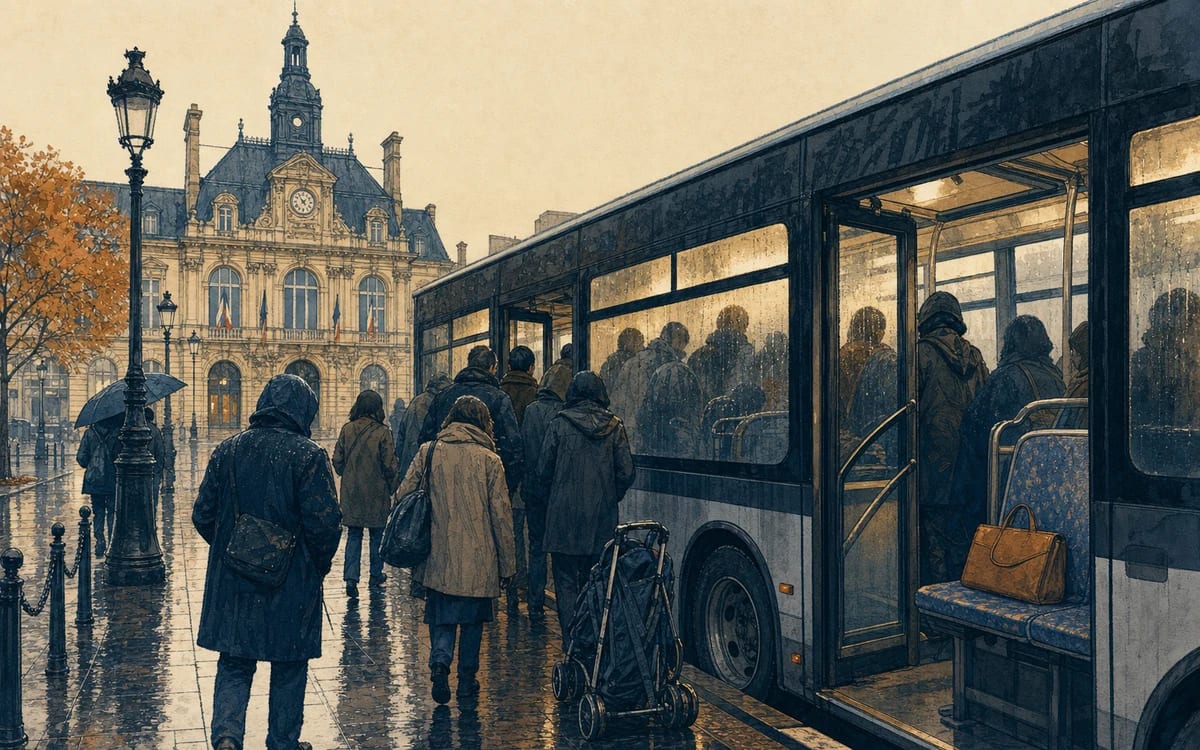
Cinq minutes sous la pluie
On a rainy Clichy bus, Nora must choose between helping with a stroller and arriving on time.
Read story →
L'entretien du mardi
Yanis, with a crisp tie and calm demeanor, navigates a pivotal interview, leaving a lasting impression with his poised follow-up.
Read story →
Un dîner entre amis
Julie invites Paul for a cozy dinner. Together, they create a delicious quiche, filling the kitchen with laughter and the aroma of melted cheese.
Read story →