A2 Korean Stories — Elementary Reading Practice
MeloLingua is a story-based reader for learners ready to connect several simple Korean events. These A2 stories add time phrases, reasons, and small narrative turns while keeping selected vocabulary, line-level English, and a comprehension check available. The goal is to follow the whole scene before resolving every unfamiliar form.
5 free A2 stories4 minutes eachEnglish support on every line
Written by our language team · Editorial standards · Research & statistics
Updated
A2 Korean story library

검은 우산 두 개
Hana leaves a Seongsu café with the wrong black umbrella.
4 glossed words
Read story →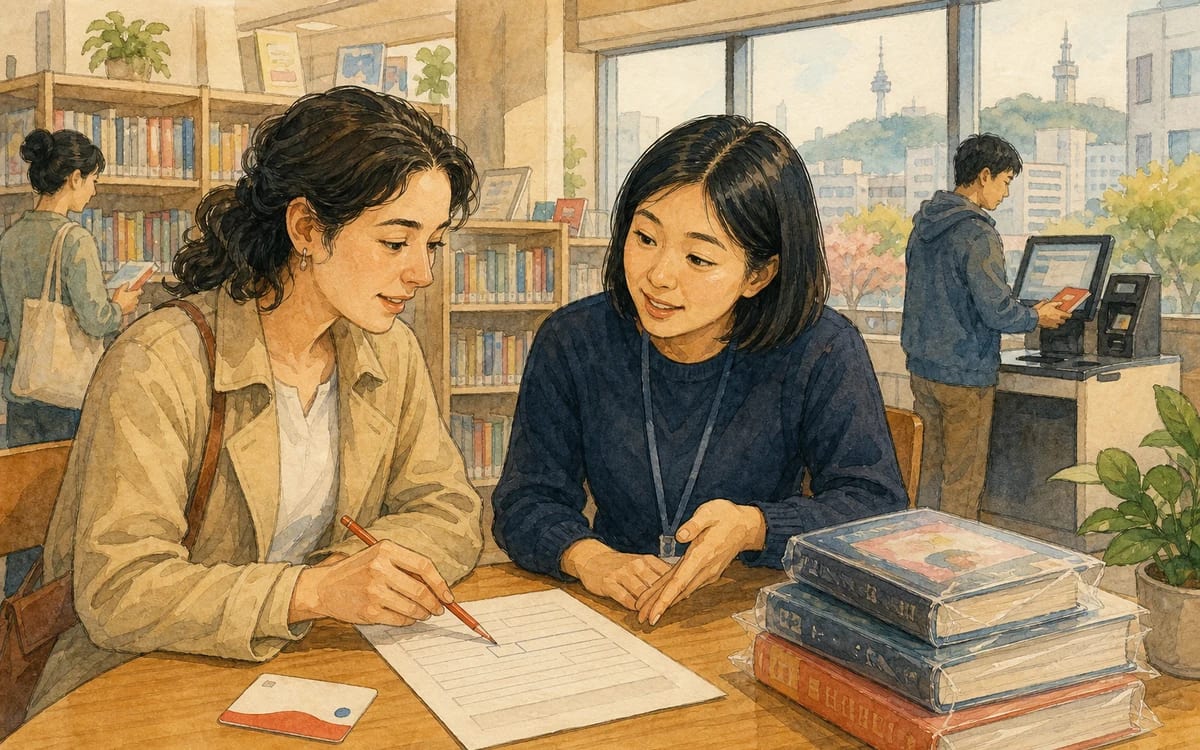
신청서의 빈칸
At a neighborhood library, Alex understands every line of the membership form except one.
4 glossed words
Read story →
북한산의 마른 길
After overnight rain, Mira and Sunwoo must choose between the familiar muddy trail.
4 glossed words
Read story →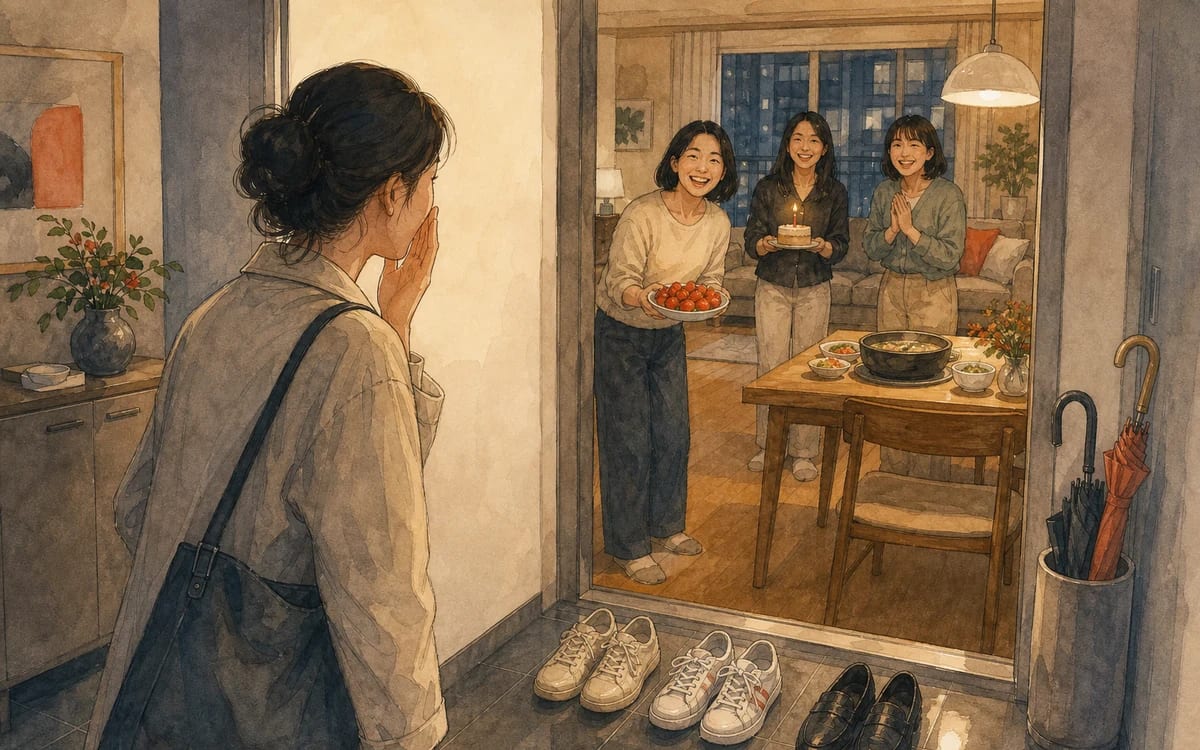
현관 옆의 신발
Nari plans a quiet birthday dinner in Daejeon, but unfamiliar silence.
4 glossed words
Read story →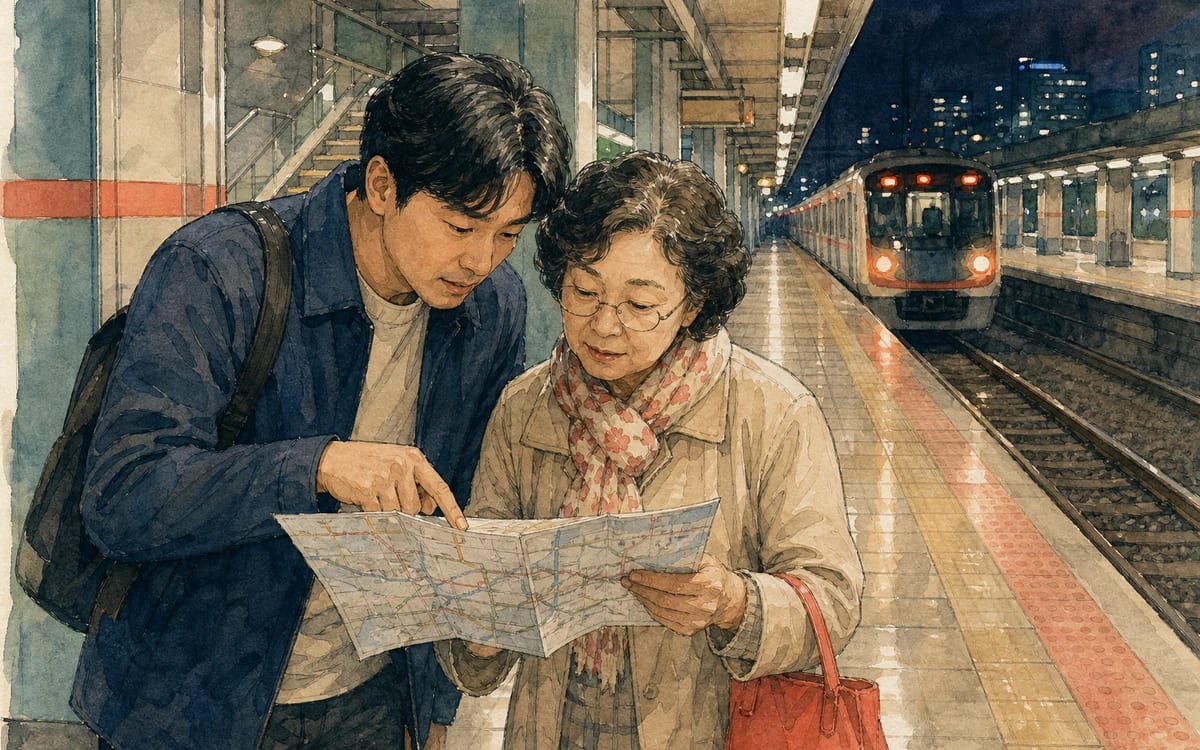
마지막 환승
A delayed last train gives Taeho five unexpected minutes to help an older passenger untangle.
4 glossed words
Read story →A better three-pass read
How to use an A2 Korean story
Read once without stopping to identify the event. Return for the words and lines that blocked you. The next day, retell the scene before opening the story again.
What A2 Korean stories help you practice
These A2 Korean reading exercises help elementary learners move from isolated sentences to connected events. Each story combines common Hangul vocabulary with everyday situations, time phrases, reasons, and small narrative changes. The goal is to follow the main event even when a few words remain unfamiliar. Read the complete scene first, use the English support to resolve only the lines that block comprehension, then return to the Korean text and notice how the sentences connect. The glossary reinforces useful vocabulary in context, while the quiz checks whether you understood the sequence rather than memorized a translation. A short retelling after reading turns passive comprehension into active recall.
- Understand short, simple texts on familiar, concrete matters.
- Read stories involving familiar, concrete situations.
- Understand short narratives written in simple words.
- Understand the main point of a predictably structured event.
Based on the Council of Europe’s CEFR Companion Volume reading descriptors.
Answers
A2 Korean stories — FAQ
Q01What does A2 Korean mean?
What does A2 Korean mean?
A2 is the elementary band. These stories add connected events, reasons, time phrases, and slightly richer everyday vocabulary.
Q02How many A2 Korean stories are here?
How many A2 Korean stories are here?
This free collection currently includes 5 A2 stories, each with English support, vocabulary, and a comprehension check.
Q03Should I translate every line?
Should I translate every line?
No. Read for the event first. Check English only when meaning blocks you, then return immediately to the target-language sentence.
Q04How often should I repeat a story?
How often should I repeat a story?
Use three passes across two or three days: read for meaning, review useful words, then retell the main event before rereading.
Continue in MeloLingua
Go beyond reading: listen, speak, and remember Korean
Continue with personalized A2 Korean stories, listening practice, speaking exercises, and spaced review in MeloLingua.
Free to start · No card required
Inside a MeloLingua app session
검은 우산 두 개
하나는 성수동 카페에서 공부를 마치고 나서 밖으로 나왔어요.
비가 유리창을 두드렸고, 우산꽂이에는 검은 우산 하나만 남아 있었어요.
Translation
After finishing her work at a café in Seongsu-dong, Hana stepped outside.