Una domenica al parco
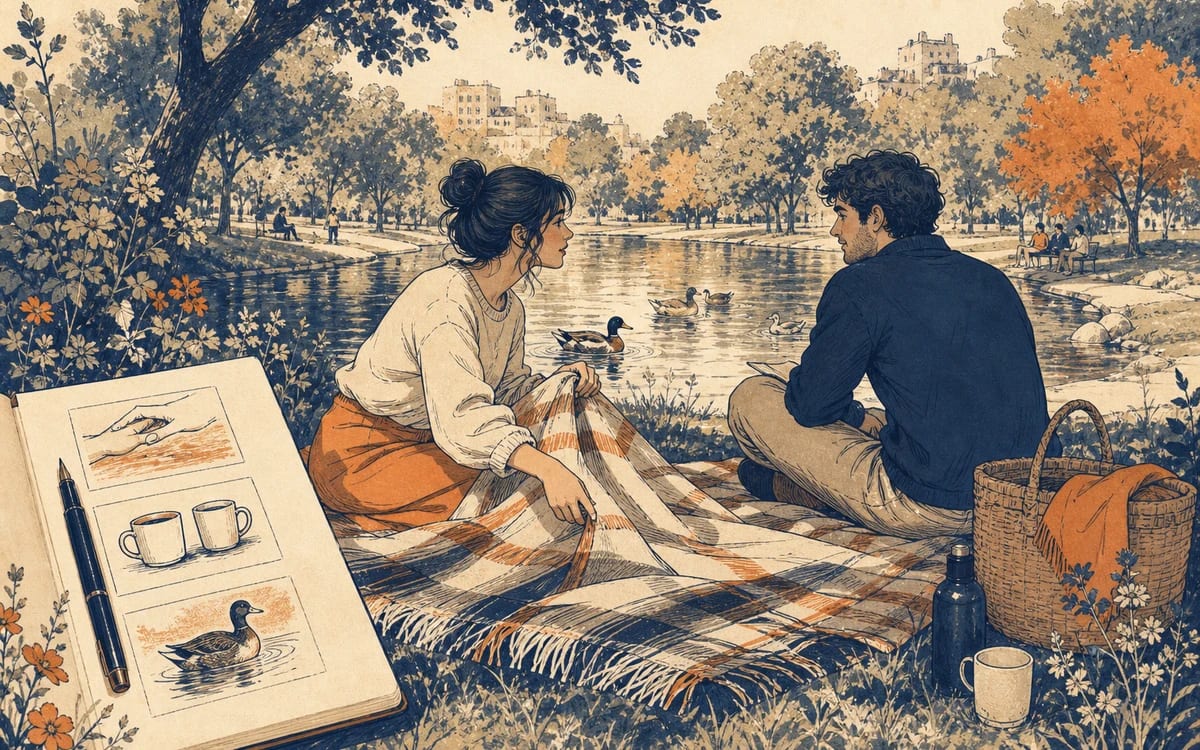
On Sunday morning, Giulia strolls slowly toward the park near her home, carrying a canvas tote and a slim book.
What you'll learn
- Bilingual graded story
- Native narration
- 6 useful words
- 3 comprehension questions
Then shadow
Borrow the narrator’s rhythm
Pause after this line and repeat it aloud without translating. Aim for three clean repetitions.
1Listen first
Hear the whole story
Native Italian narration of this exact text. Keep the transcript visible on the first pass.
Playback speed: Natural
2Then shadow
Domenica mattina, Giulia cammina lentamente verso il parco vicino a casa sua con una borsa di tela e un libro sottile.Your Italian story
Read along with the narration, and tap any highlighted word for its meaning
Domenica mattina, Giulia cammina lentamente verso il parco vicino a casa sua con una e un libro sottile.
On Sunday morning, Giulia strolls slowly toward the park near her home, carrying a canvas tote and a slim book.
Il sole filtra delicato tra le foglie degli alberi, mentre alcuni bambini inseguono una palla rossa che rimbalza sull'erba.
The sun gently filters through the leaves of the trees, while children chase a red ball bouncing on the grass.
Lei sceglie una panchina libera accanto allo stagno, dove le anatre nuotano in silenzio, e un signore anziano lancia briciole di pane
She chooses a free bench next to the pond, where ducks swim silently, and an elderly man tosses breadcrumbs to
agli uccelli.
the birds.
Giulia mangia uno snack veloce, beve dalla sua e sorride quando il vicino Luca le chiede se il libro è interessante.
Giulia eats a quick snack, sips from her water bottle, and smiles when her neighbor Luca asks if the book is interesting.
Lei risponde di sì, ma confessa che oggi preferisce osservare le foglie che leggere ogni pagina.
She says yes, but admits that today she prefers watching the leaves to reading every page.
Prima di tornare a casa, scrive sulla copertina del libro tre parole italiane che le piacciono, così lunedì al lavoro ricorderà meglio
Before heading home, she writes three Italian words she loves on the book's cover, so on Monday at work, she'll better remember
questo semplice momento di riposo.
this simple moment of rest.
Vocabulary recap
Reading Comprehension Exercise
A1 Italian Reading Comprehension Exercises
1. What does Giulia bring when she goes to the park?
Correct: A canvas tote bag and a slim book
Giulia brings a canvas tote bag and a slim book, elements that suggest a relaxing day at the park.
2. Where does Giulia sit?
Correct: On a free bench next to the pond
Giulia sits on a bench next to the pond, a peaceful place to observe nature.
3. What does she prefer today over long reading?
Correct: Watching the leaves and taking her time
Today Giulia prefers watching the leaves and enjoying the moment, rather than reading intensely.
Nailed the quiz? Start your own story in MeloLingua →
Line 1 / 8
0:00/–:––
Mini-lesson complete
You understood 3 of 3 questions.
That is 129 real Italian words read in context.
- ✓ 129 words read
- 6 new expressions
- 2 grammar patterns
- A1 level unlocked
- ○ Narration ready
- 0 shadowing reps
Ready for tomorrow’s story?Hear it, shadow the narrator, and lock these words into memory in MeloLingua.
Start learning with storiesOne story. The whole practice loop.
Reading this story for free is just the first rep. The MeloLingua app turns the same story into a full practice loop — understand every word, speak it back, build sentences, and keep stories coming that match what you actually care about.
| What you get | FreeThis story | Full loopMeloLingua app |
|---|---|---|
| Understand every sentence instantly | Bilingual reader, tap to translate | Interactive reader with word-by-word explanations |
| Know exactly why each word works | Basic translation in context | Translation, grammar, conjugation & usage examples |
| Train your ear with native audio | Studio narration — slow, normal, fast | Listen, follow along, and shadow the narrator |
| Speak like a native while reading | Read aloud on your own | Real-time pronunciation feedback |
| Turn what you read into what you can say | Not included | Build sentences from the story you just read |
| Never forget today's vocabulary | In-story glossary + comprehension quiz | Flashcards & spaced review from story lines |
| Read stories about your real life | Not included | Stories matched to your level and interests |
| Feel yourself improve every day | Not included | Streaks, goals, and your full learning history |
| Result | Enjoy a great story | Actually speak with confidence |
Understand every sentence instantly
Know exactly why each word works
Train your ear with native audio
Speak like a native while reading
Turn what you read into what you can say
Never forget today's vocabulary
Read stories about your real life
Feel yourself improve every day
Result
Make stories aboutyour life
Most language apps hand everyone the same content. MeloLingua lets you create stories around the things you actually enjoy — so staying consistent stops feeling like homework.
- “I love space and cooking”Your story
A chef opens the first restaurant on Mars.
- “I like football and history”Your story
A young striker time-travels to play the legendary teams.
- “I enjoy surfing and travel”Your story
A surfer hunts secret waves across the world.
- “I like Brazilian Jiu-Jitsu and sci-fi”Your story
An astronaut enters the first intergalactic grappling tournament.
Read it. Listen to it. Speak it back. The more it sounds likeyour world, the easier it is to keep going.
Generate your first storyMake it yours
Your next Italian story is one tap away
Turn today's read into a daily habit — personalized scenes, native audio, tap-to-translate vocabulary, and speaking drills matched to what you just understood.
Keep reading on-site
Al Mercato
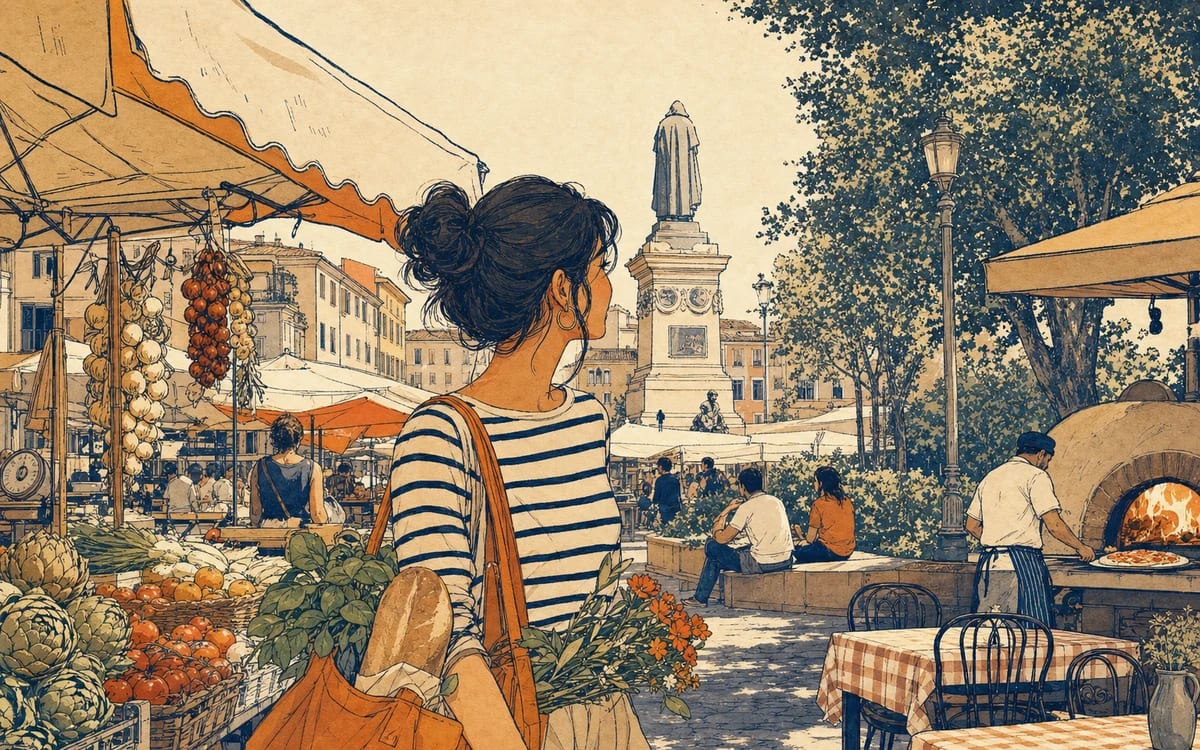
Giulia strolls through the vibrant stalls of Campo de' Fiori, where the air is filled with the scent of fresh produce and flowers.
Read story →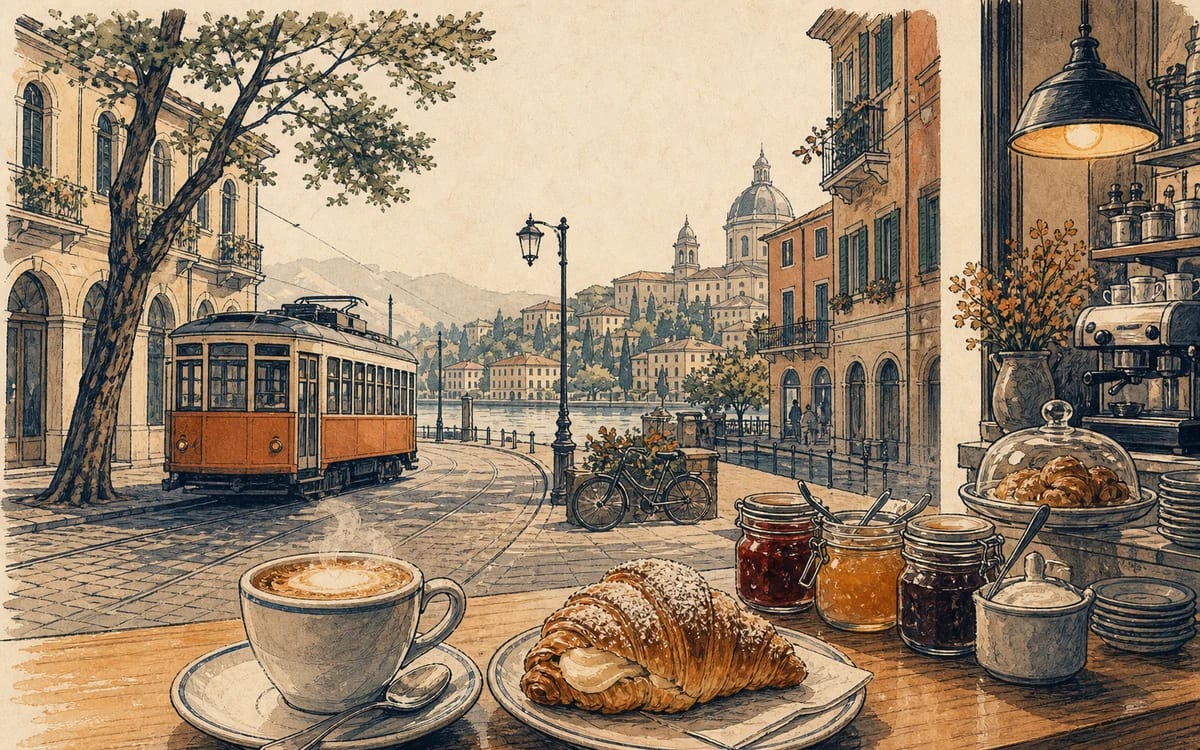
La Colazione da Marta
A regular customer's usual order is accidentally swapped, leading to a pleasant breakfast discovery in Naples.
Read story →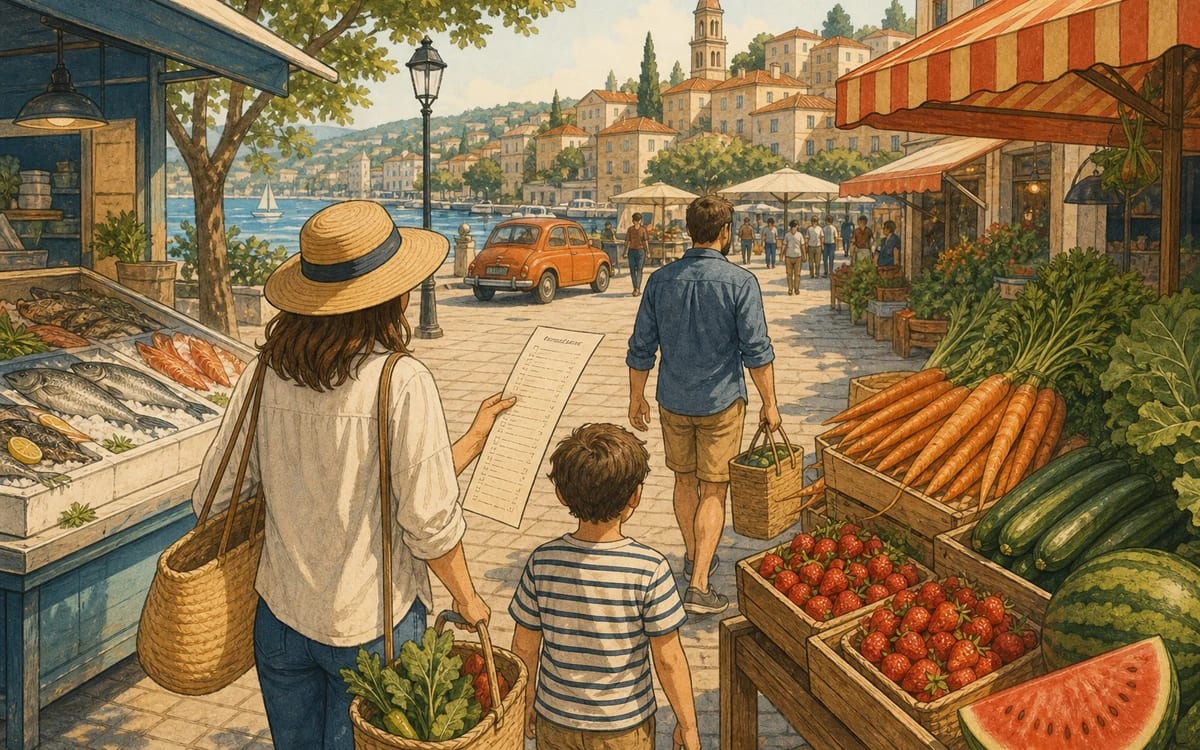
La Gita al Mercato
A child's shopping list turns a routine errand into a negotiation with every vendor at the Roman market.
Read story →