Die Neue Kollegin
Mira started her new job at a small, bustling design agency on Monday. She was nervous because she didn't know anyone. The office smelled of fresh coffee.

What you'll learn
- Bilingual graded story
- English translation
- 7 useful words
- 4 comprehension questions
Warm-up vocabulary
Preview 1 optional words before reading
Your German story
Tap highlighted words when you need help
Mira begann am Montag ihre neue Arbeit in einer kleinen, lebhaften Designagentur.
Mira started her new job at a small, bustling design agency on Monday.
Sie war , weil sie niemanden kannte. Im Büro roch es nach frischem Kaffee.
She was nervous because she didn't know anyone. The office smelled of fresh coffee.
Ihr Schreibtisch stand neben dem Fenster, und auf dem Bildschirm lag ein Zettel: „Willkommen, Mira!“
Her desk was next to the window, and there was a note on the screen: "Welcome, Mira!"
Am Vormittag zeigte ihr Kollege Ben ihr das Büro, die Küche und den gemütlichen Besprechungsraum.
In the morning, her colleague Ben showed her the office, the kitchen, and the cozy meeting room.
Danach stellte Ben ihr die anderen Kolleginnen und Kollegen vor.
Afterwards, Ben introduced her to the other colleagues.
Dann bekam Mira ihre erste Aufgabe: Sie sollte Ideen für ein Plakat sammeln.
Then Mira received her first task: she was to gather ideas for a poster.
Zuerst wusste sie nicht, was sie sagen sollte, während die Uhr leise tickte.
At first, she didn't know what to say as the clock ticked softly.
Aber Ben fragte nach ihrer Meinung, und Mira erklärte eine einfache Idee mit hellen Farben.
But Ben asked for her opinion, and Mira explained a simple idea with bright colors.
Das Team fand den Vorschlag gut und nickte zustimmend. Am Ende des Tages war Mira müde, aber auf sich.
The team liked the suggestion and nodded in agreement. At the end of the day, Mira was tired but proud of herself.
Sie hatte gelernt, dass ein neuer Anfang nicht perfekt sein muss, um gut zu werden.
She had learned that a new beginning doesn't have to be perfect to be good.
Vocabulary recap
Reading Comprehension Exercise
A2 German Reading Comprehension Exercises
1. Why was Mira nervous on her first day?
Correct: Because she didn't know anyone.
Mira was nervous because she didn't know anyone at the new agency. A new workplace can be intimidating, especially when you don't know anyone.
2. What was Mira's first task?
Correct: To design a poster.
Mira was supposed to gather ideas for a poster. This was her first task at the new agency.
3. How did the team react to Mira's suggestion?
Correct: They thought it was good.
The team liked Mira's suggestion and nodded in agreement. This helped Mira feel more confident.
4. Wer zeigt Mira am ersten Tag das Büro?
Correct: Ihr Kollege Ben
Am Vormittag zeigt ihr Kollege Ben ihr das Büro, die Küche und den gemütlichen Besprechungsraum.
Nailed the quiz? Start your own story in MeloLingua →
Mini-lesson complete
You understood 4 of 4 questions.
That is 142 real German words read in context.
- ✓ 142 words read
- 7 new expressions
- 3 grammar patterns
- A2 level unlocked
Ready for tomorrow’s story?Hear it, shadow the narrator, and lock these words into memory in MeloLingua.
Start learning with storiesOne story. The whole practice loop.
Reading this story for free is just the first rep. The MeloLingua app turns the same story into a full practice loop — understand every word, speak it back, build sentences, and keep stories coming that match what you actually care about.
| What you get | FreeThis story | Full loopMeloLingua app |
|---|---|---|
| Understand every sentence instantly | Bilingual reader, tap to translate | Interactive reader with word-by-word explanations |
| Know exactly why each word works | Basic translation in context | Translation, grammar, conjugation & usage examples |
| Train your ear with native audio | Not included | Listen, follow along, and shadow the narrator |
| Speak like a native while reading | Read aloud on your own | Real-time pronunciation feedback |
| Turn what you read into what you can say | Not included | Build sentences from the story you just read |
| Never forget today's vocabulary | In-story glossary + comprehension quiz | Flashcards & spaced review from story lines |
| Read stories about your real life | Not included | Stories matched to your level and interests |
| Feel yourself improve every day | Not included | Streaks, goals, and your full learning history |
| Result | Enjoy a great story | Actually speak with confidence |
Understand every sentence instantly
Know exactly why each word works
Train your ear with native audio
Speak like a native while reading
Turn what you read into what you can say
Never forget today's vocabulary
Read stories about your real life
Feel yourself improve every day
Result
Make stories aboutyour life
Most language apps hand everyone the same content. MeloLingua lets you create stories around the things you actually enjoy — so staying consistent stops feeling like homework.
- “I love space and cooking”Your story
A chef opens the first restaurant on Mars.
- “I like football and history”Your story
A young striker time-travels to play the legendary teams.
- “I enjoy surfing and travel”Your story
A surfer hunts secret waves across the world.
- “I like Brazilian Jiu-Jitsu and sci-fi”Your story
An astronaut enters the first intergalactic grappling tournament.
Read it. Listen to it. Speak it back. The more it sounds likeyour world, the easier it is to keep going.
Generate your first storyMake it yours
Your next German story is one tap away
Turn today's read into a daily habit — personalized scenes, native audio, tap-to-translate vocabulary, and speaking drills matched to what you just understood.
Keep reading on-site

Das Team-Meeting am Montag
Nico shares a five-minute update, dodges jargon overload, and follows up with a concise email that actually matches what was agreed.
Read story →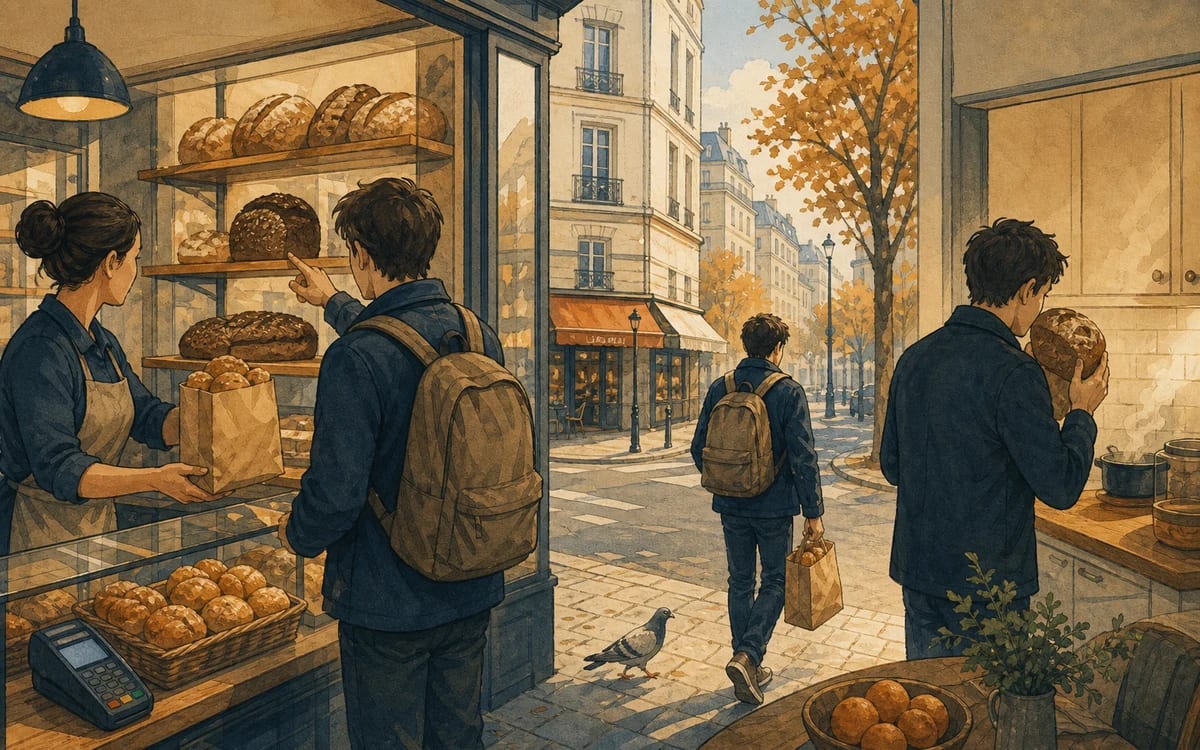
Der Bäcker an der Ecke
Tim steht in der Schlange für warme Brötchen, erkennt ein Roggenbrot am Geruch und verlässt die Bäckerei mit Krümeln auf dem Schal und besserem Deutsch.
Read story →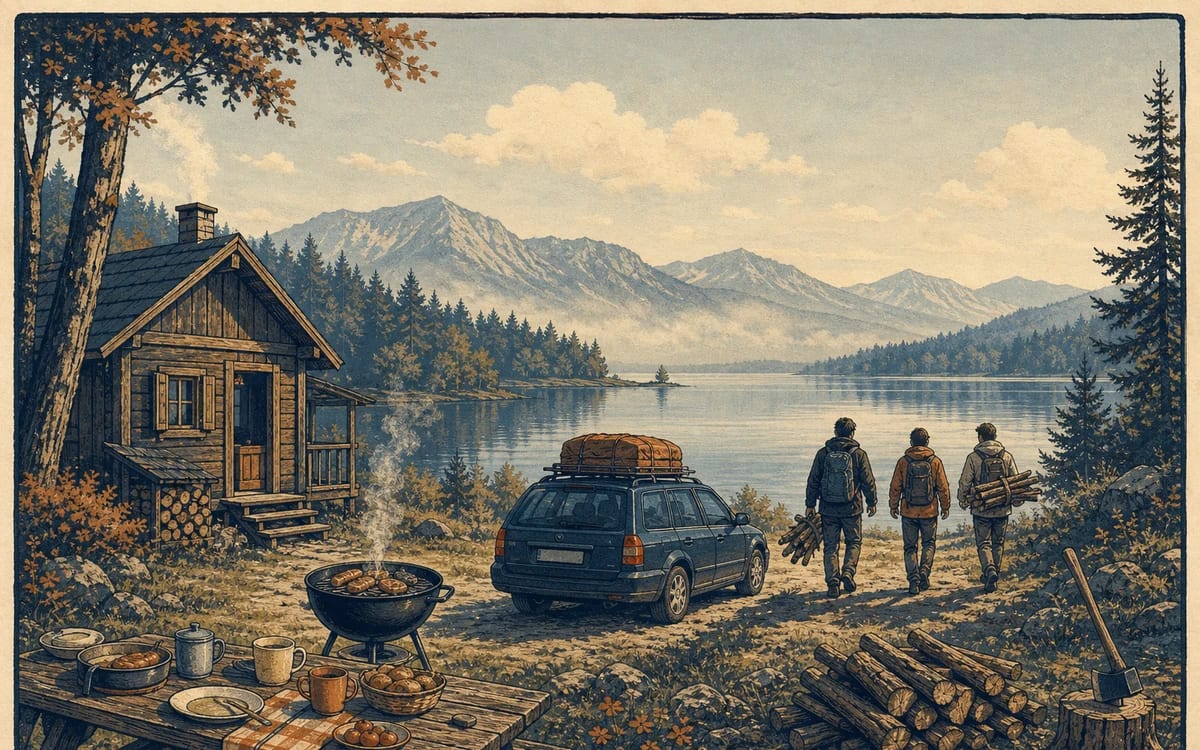
Ein Wochenende am See
Jonas plans a quiet weekend at the lake and learns that bad weather can still make a good story.
Read story →